
Guilford Native American Pow Wow. Greensboro, North Carolina.

(Photographs copyright 2014 by Dan Routh)
Commercial, Advertising and Editorial Photography. Greensboro, North Carolina
Guilford Native American Pow Wow. Greensboro, North Carolina.
(Photographs copyright 2014 by Dan Routh)

(Photograph copyright 2014 by Dan Routh)
Annual Guilford Native American Pow Wow. Greensboro, North Carolina.
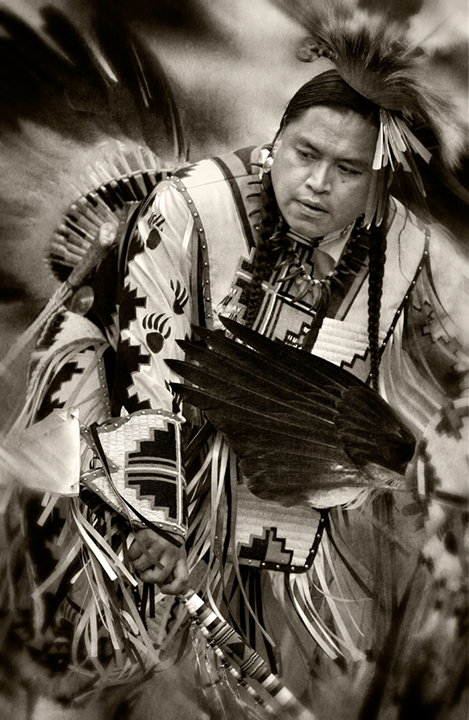
(Photograph copyright 2013 by Dan Routh)
Native American dancer. Greensboro, North Carolina.
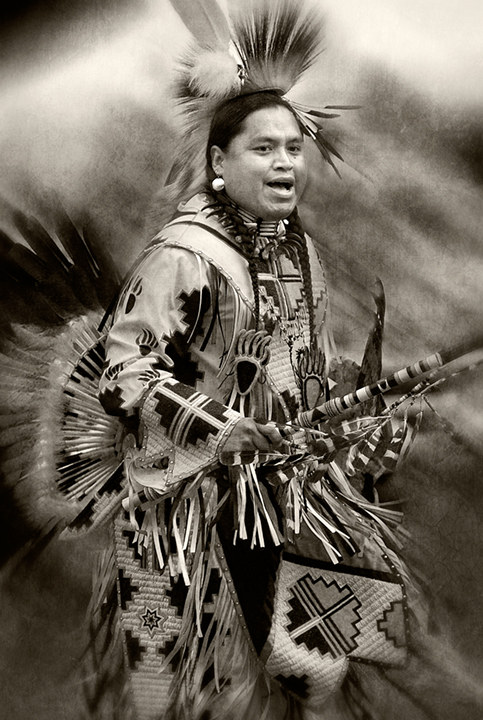
(Photograph copyright 2013 by Dan Routh)
Native American dancer. Greensboro, North Carolina.
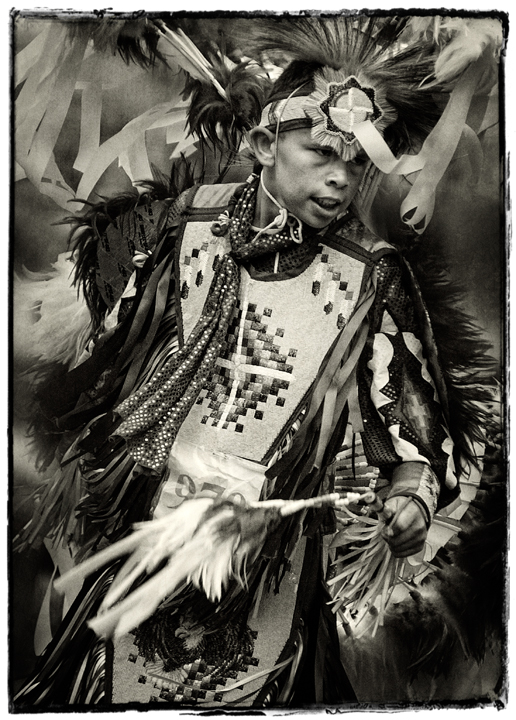
(Photograph copyright 2013 by Dan Routh)
Young Native American dancer. Greensboro, North Carolina.

(Photograph copyright 2012 by Dan Routh)
Young Native-American dancer, Greensboro, North Carolina.
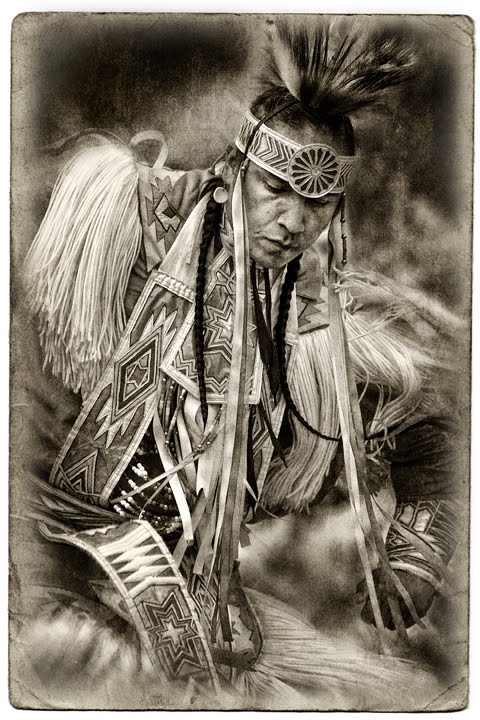
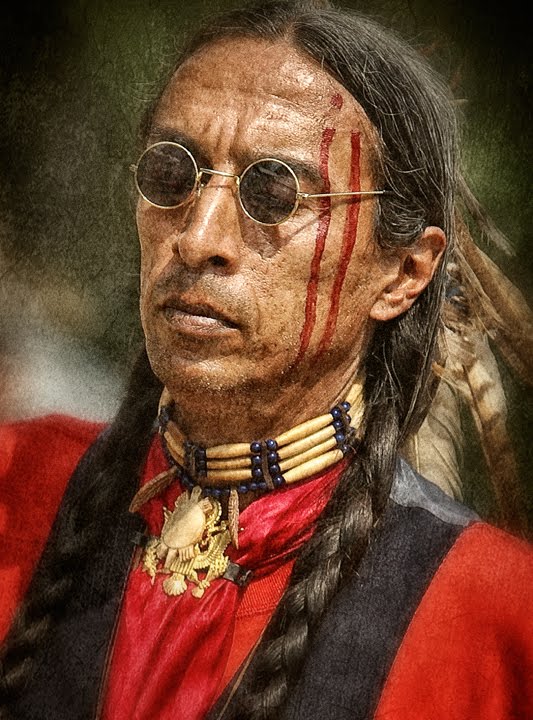
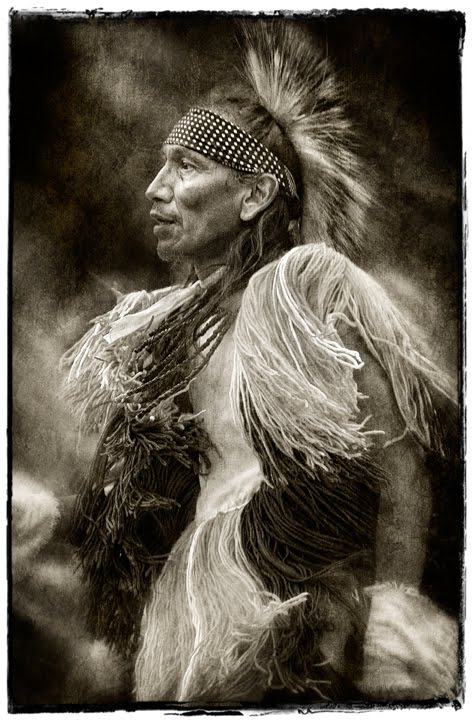
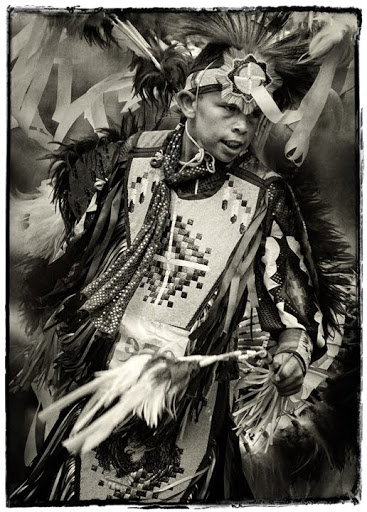
Portraits of young Native Americans shot at powwows in Greensboro, North Carolina over the past few years. On Fridays, I often try to look back at things I have done before. Gives me a little perspective as to where I need to go.


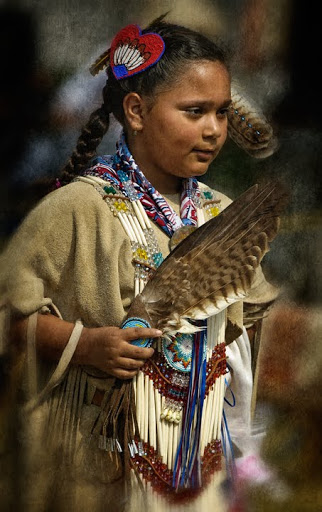 (Photographs copyright 2010 by Dan Routh)
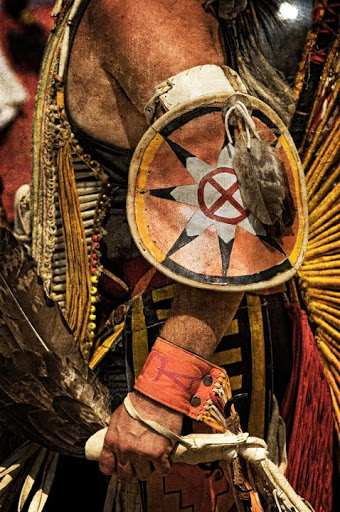
(Photograph copyright 2009 by Dan Routh)
Photograph is a detail from a dancer at a local Native American pow wow here in Greensboro. The colors and textures at these events are extraordinary and the dancing and music is moving.
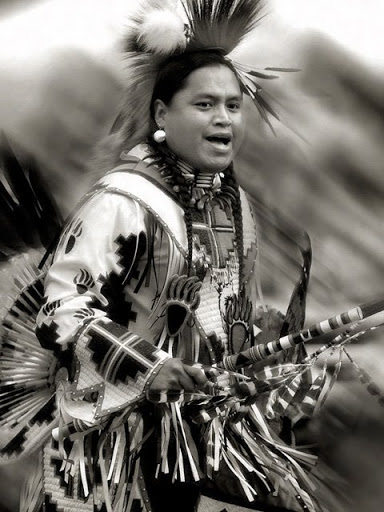 (image copyright 2008 by Dan Routh)
Native Dancer
Devin Routh
The earth blurs beyond his skin as the drums pulse.
Lines of light trail in the black and white and
Gray of his bustle and vestments, a ghost behind the breeze.
His face is a stone on a riverbed, motionless beneath the torrent.
Borrowed feathers crown his head, drape
Down his back like quills on a porcupine;
The sullen eagle feather perches above his eyes,
Sovereign of the skies, impetus of his movements.
Is he a son of Crazy Horse? Is he Lakota? Is he a warrior?
Look for a lightning bolt across his face and hail stones over his torso,
Symbols of the Shirt Wearer at Little Bighorn when he killed Honska.
No, all I see are tracks and claws on his sleeve, beaded totems in his hand.
When brothers are dead, movement becomes memory.
Chief Joseph told his Nez Perce, the real people,
“From where the sun now stands, I will fight no more forever,”
But the dancer will always feel the wind beneath his feet
And hear the whispers of all the tribes.

