Farmall Super A Tractor


A 1948 Super A Farmall tractor sits at the end of a row of corn in my garden in Randolph County, North Carolina. This is a very special piece of machinery to me. My Grandfather bought it new in 1948 and it has been in use on our farm by him, my Father, me and my sons ever since. As a kid, I literally spent days in the seat plowing (cultivating) corn. This tractor is perfect for that, because the engine is offset and you can look straight down and see the rows of corn pass under you. We don’t raise a lot of corn anymore, but we continue to use the tractor in our garden to cultivate and lay off rows. The old guy just keeps on going.


The inset is a self portrait of the “A” and me.

(photographs copyright 2009 by Dan Routh)

Afternoon Scenes


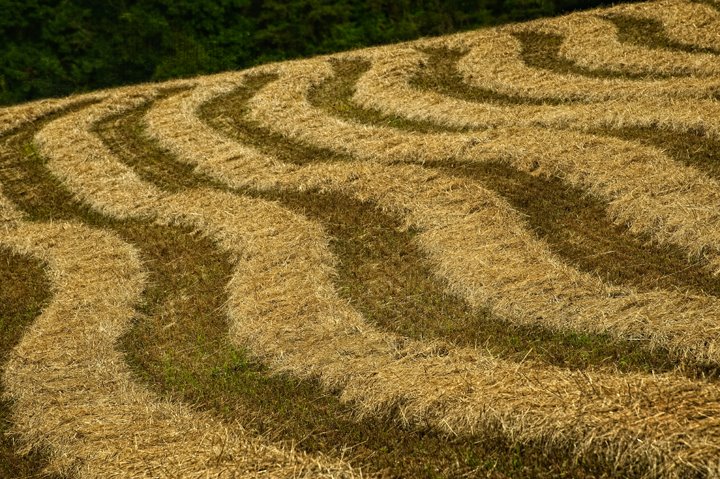
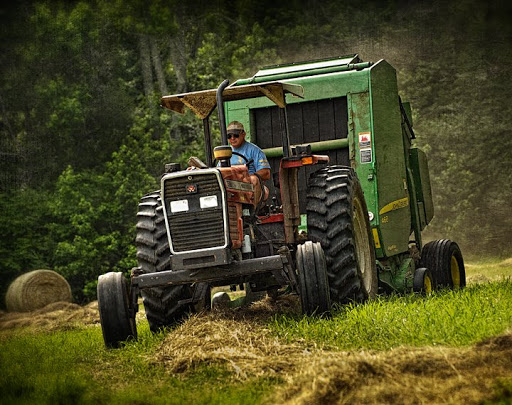
This time of year, when the weather stays dry for several days in a row, it means one thing. It’s time for farmers to make hay, and last week most of my neighbors were during just that. These late afternoon scenes were indicative of our area of Randolph County, south of Greensboro.

(photographs copyright 2009 by Dan Routh)

Old Chevy Heavy Farm Truck

(photograph copyright 2009 by Dan Routh)

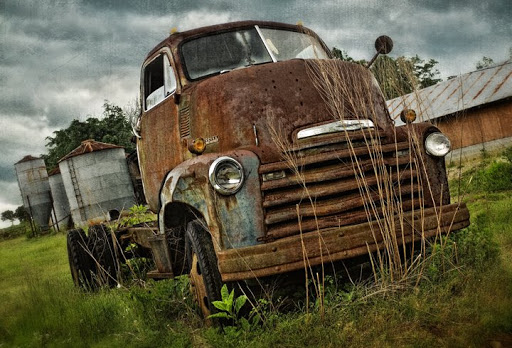
My community, Grays Chapel, was traditionally a farming community until just a few years ago. Development has spread into the area and it has become more and more a bedroom community for Greensboro and the Triad. There is still a lot of rural space left, however, and there are many old farms, and with these old operations, there is a world of old farm equipment and vehicles. Time has produced a patina on many of them and they take on the effect of historical sculpture. This old Chevrolet heavy farm truck sits sleeping in my neighbor’s barnyard.

Old Farm Outbuildings


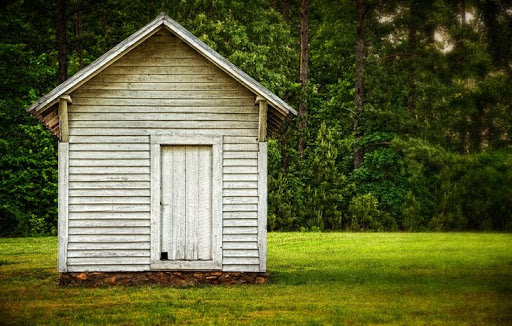
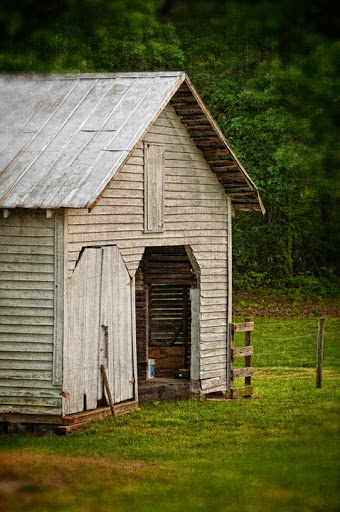
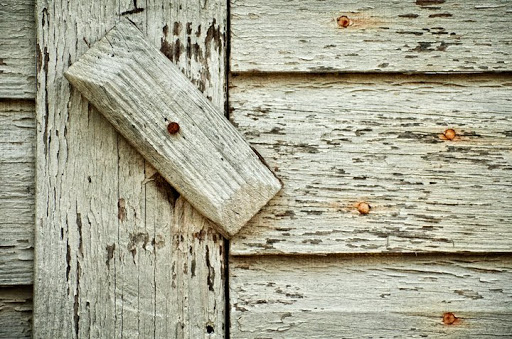
The most interesting things sometimes on old North Carolina farm homeplaces are the many outbuildings. At my Grandfather’s homeplace in Grays Chapel (Randolph County,south of Greensboro) there are several; a smokehouse, a washhouse, a chicken coop, pack house and grainery, besides the regular barn. Each had it’s specific use and each still has it’s own personality.


(photographs copyright 2009 by Dan Routh)

Raising Vegetables


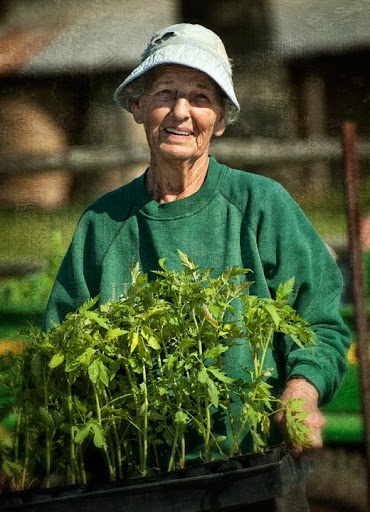
My father’s cousin Thomas Routh and his wife Lula Mae live just down the road from us in Grays Chapel. In their late eighties, Thomas and Lula Mae grow a large vegetable garden each year from which they sell fresh produce at the local farmer’s market in Asheboro. Doing all the work themselves, they grow plants in their greenhouse from seed, prepare their ground, plant their plants, do all the harvesting, and sell the fresh vegetables at the market. I caught them Saturday morning as they were finishing up planting tomatoes. This year, they have about 750 tomato plants. That’s a lot of tomatoes. Of course, they also will have squash, cucumbers, potatoes, lettuce, cabbage, corn, plants and canned goods too. Lula Mae said last year she kept track of the green beans they picked, and the total came to 2300 lbs.


(photographs copyright 2009 by Dan Routh)

Scottish Highland Cattle, "Beasts"


A herd of highland cattle grazes just outside of Greensboro. Though I believe these particular cows are kept as pets, the Scottish breed is prized for it’s lean meat. The shaggy hair acts as insulation against the cold, a necessity in the cool, damp Highlands of Scotland, so the animals have less fat than standard beef cattle. Smaller in stature than regular beef cows, they have a presence nonetheless.


And yes, both the males and the females have horns.

(photographs copyright by Dan Routh)