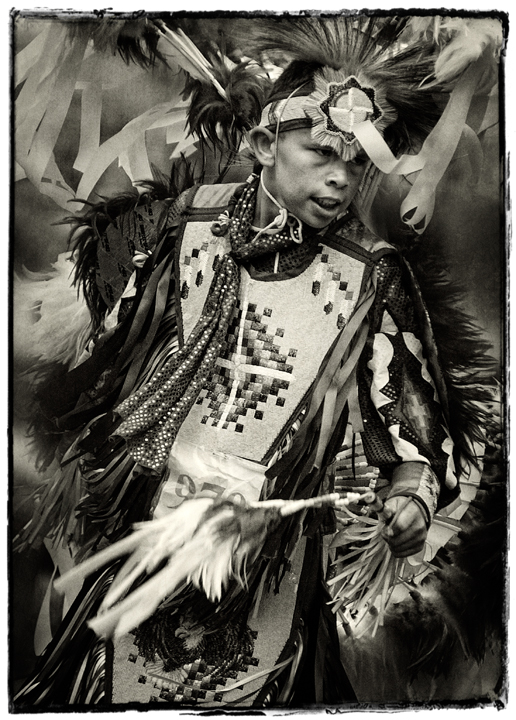
(Photograph copyright 2013 by Dan Routh)
Young Native American dancer. Greensboro, North Carolina.
Commercial, Advertising and Editorial Photography. Greensboro, North Carolina
(Photograph copyright 2013 by Dan Routh)
Young Native American dancer. Greensboro, North Carolina.

(Photograph copyright 2012 by Dan Routh)
Young Native-American dancer, Greensboro, North Carolina.
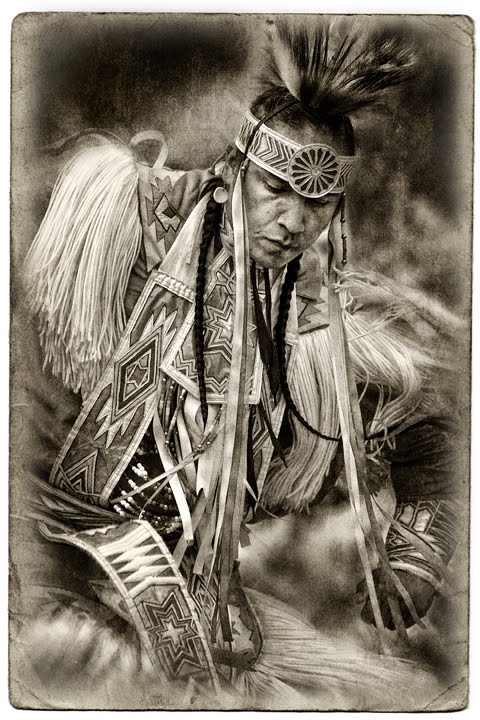
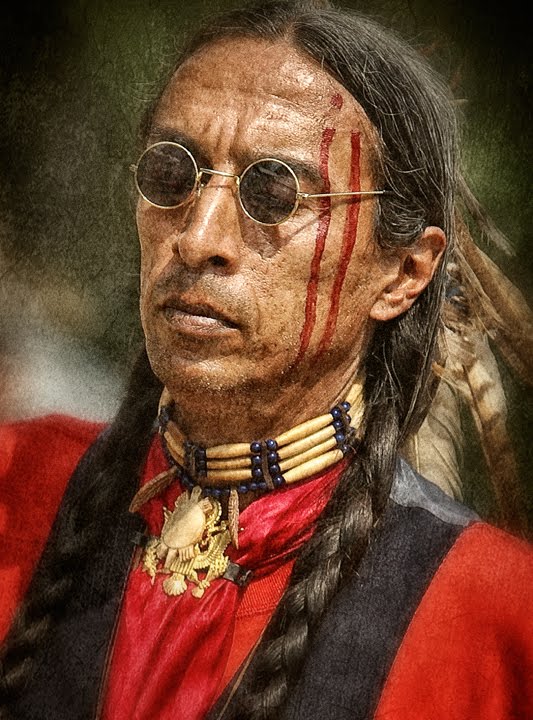
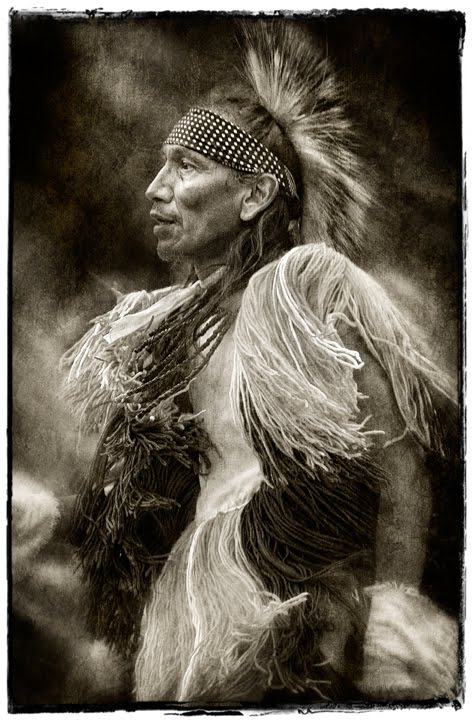
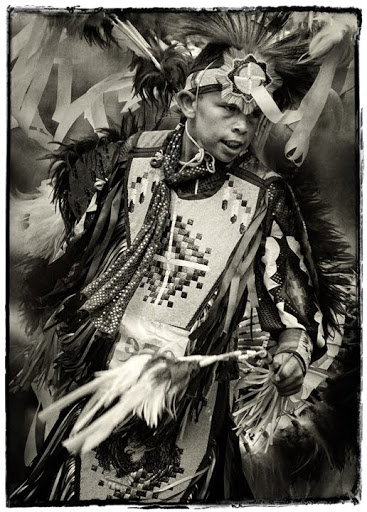
Portraits of young Native Americans shot at powwows in Greensboro, North Carolina over the past few years. On Fridays, I often try to look back at things I have done before. Gives me a little perspective as to where I need to go.


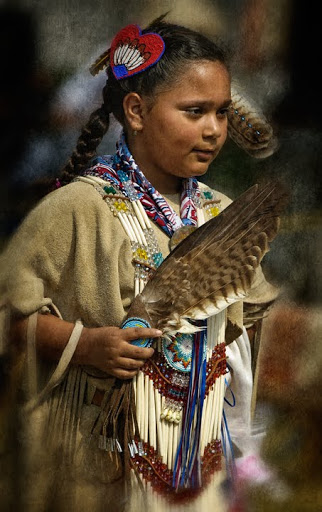 (Photographs copyright 2010 by Dan Routh)
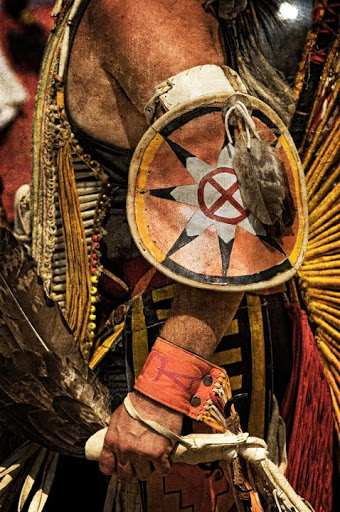
(Photograph copyright 2009 by Dan Routh)
Photograph is a detail from a dancer at a local Native American pow wow here in Greensboro. The colors and textures at these events are extraordinary and the dancing and music is moving.
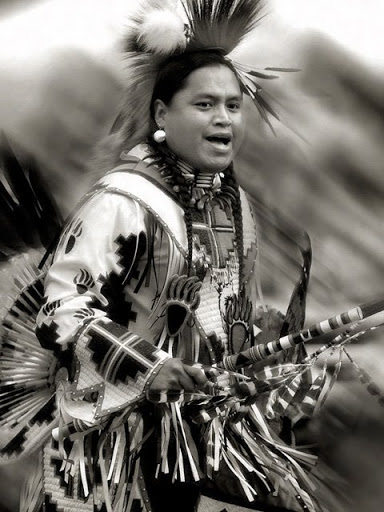 (image copyright 2008 by Dan Routh)
Native Dancer
Devin Routh
The earth blurs beyond his skin as the drums pulse.
Lines of light trail in the black and white and
Gray of his bustle and vestments, a ghost behind the breeze.
His face is a stone on a riverbed, motionless beneath the torrent.
Borrowed feathers crown his head, drape
Down his back like quills on a porcupine;
The sullen eagle feather perches above his eyes,
Sovereign of the skies, impetus of his movements.
Is he a son of Crazy Horse? Is he Lakota? Is he a warrior?
Look for a lightning bolt across his face and hail stones over his torso,
Symbols of the Shirt Wearer at Little Bighorn when he killed Honska.
No, all I see are tracks and claws on his sleeve, beaded totems in his hand.
When brothers are dead, movement becomes memory.
Chief Joseph told his Nez Perce, the real people,
“From where the sun now stands, I will fight no more forever,”
But the dancer will always feel the wind beneath his feet
And hear the whispers of all the tribes.
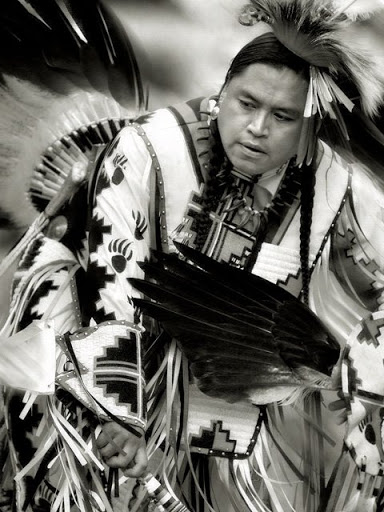 (image copyright 2008 by Dan Routh)
Black and white. I learned photography shooting and processing b&w and that’s where my heart is. I guess most advertising and product photography is shot in color, but I still get excited when I see a good image in tones of gray. It may be all those books I read by Ansel Adams and I do still think in terms of the Zone System.
I learned on film, I shot every format of film available from 126 to 8×10 and for most of my professional life I survived on film. But, I guess I will take digital. Not that I think digital is any better than film; to be perfectly honest, I don’t really see any difference in the end product. Face it, film cameras and digital cameras are just tools to produce images. It’s just that today, it’s a whole lot quicker and easier to do things digitally. In my area labs are becoming fewer and farther apart and it’s almost impossible to find large batches of film for sale. Even if I shot on film, I would have to digitize the image to get it into my workflow so I find it easier to start with a digital file. I shoot in RAW format so my original files act as a sort of a digital negative. I find it pretty easy to replicate a film image with digital. Granted it does take some post processing. And, I really don’t miss keeping my hands in D-76 and fixer.
Assignment for sure. Today we are seeing more and more agencies and companies depend on stock imagery, the predominant reason being cost. I understand the economic reasons. Believe me, I understand the state of the economy. It just pains me to see part of the creative process disappear. Traditionally, an agency would create an idea for an image and then assign someone to produce it. I always have enjoyed being part of a collaborative effort to bring an ad or a brochure or an article to life. Today those same creatives either by choice or necessity seem to lean more towards stock imagery, royalty-free images and now even to free image services like Flicker. Sometimes they start with an idea and locate an image to illustrate it, and sometimes they find an image and come up with an idea to match it. If it works they are successful. But it seems to me that a lot of folks are trusting to luck, luck in finding that right image. There is an old saying that “it’s better to be lucky than good”, but my father told me that for the most part in life, “you make your own luck”. Don’t get me wrong, there are some talented designers that can use stock images very well, and there are some talented designers that can also shoot their own great images. I myself shoot stock photography and do indeed make sales. I just hope assignment photography survives, partly for the selfish reason that I survive financially on it, but mostly because I want to see the most creative, professional part of advertising and commercial photography continue. I hate to see that artistic collaboration between photographer and art director go away. After spending 30 years producing images, I think I still have something creatively valuable to offer. For the agencies and companies that depend on free or royalty-free or stock photography I hope they consider assigning more work and recommending to their clients that they do so, before someday their luck runs out.
 Dan Routh Photography