Cutting Silage


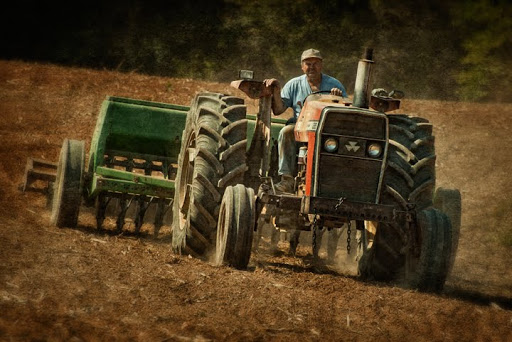
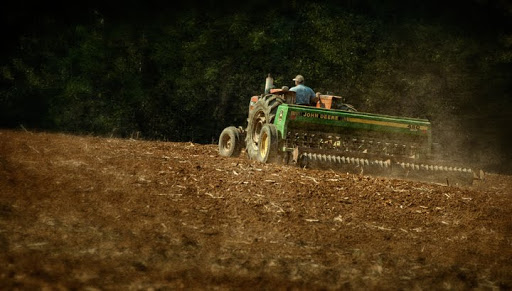
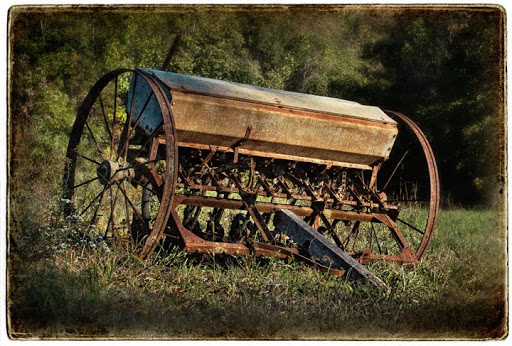
The image above is rather poignant to me, which I guess seems rather odd, because its a shot of farm equipment in a field. The photo is of cutting silage corn, and I truly love to cut silage. I grew up on a dairy farm and every year in late August we cut silage. We did it with another dairy family, the Williams, with whom we shared a cutter and all the labor. Two families, fathers and grandfathers, sons and brothers would all get together and work together to harvest the corn on both of our farms. Things have changed a lot over the years. The Williams brothers (who still dairy farm) cut more silage in two hours on Saturday than we did in a week, but the feeling of that combined labor is still there. This year the brothers had a major breakdown on their equipment, so Frank White from Liberty brought his cutting equipment in to finish the harvest.

I talk about the image being poignant. The time I spent in the corn fields with my family and neighbors was probably some of the happiest moments in my life. It was very hard work, but something about being part of this community effort made it something special. Hard work doesn’t seem so hard when you have a close-knit group doing it together.


(Photographs copyright 2010 by Dan Routh)
Sorghum Molasses


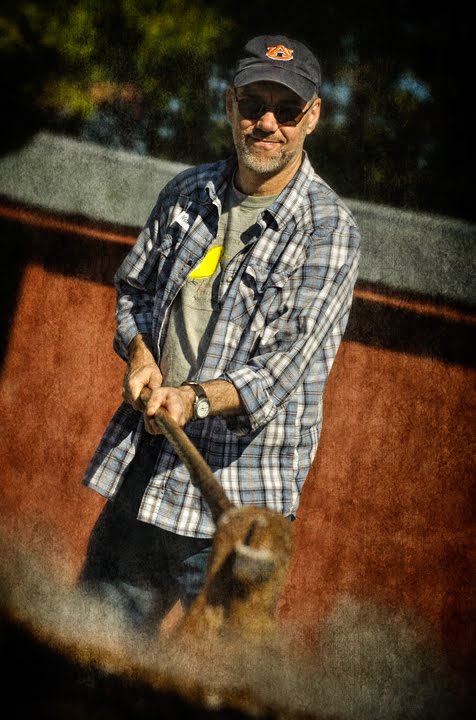
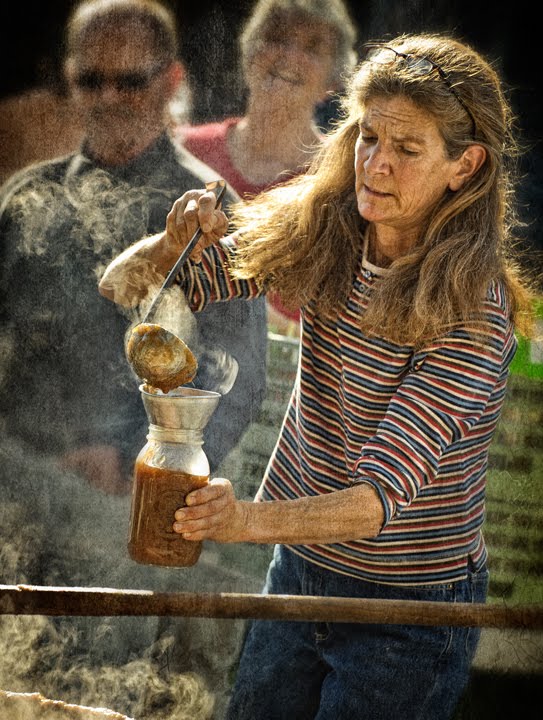
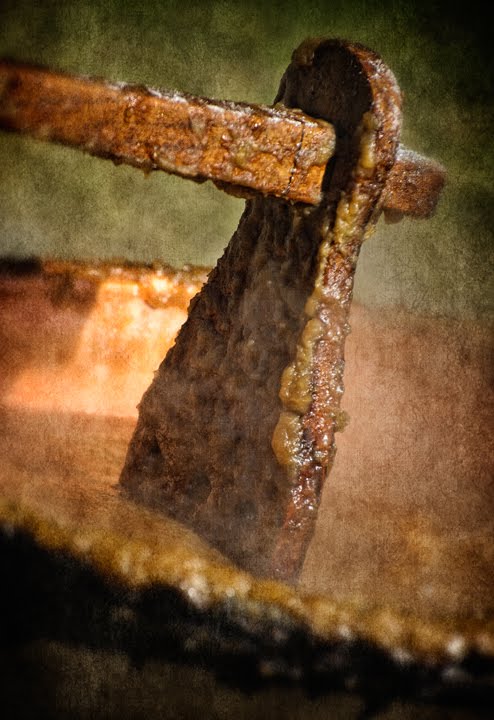
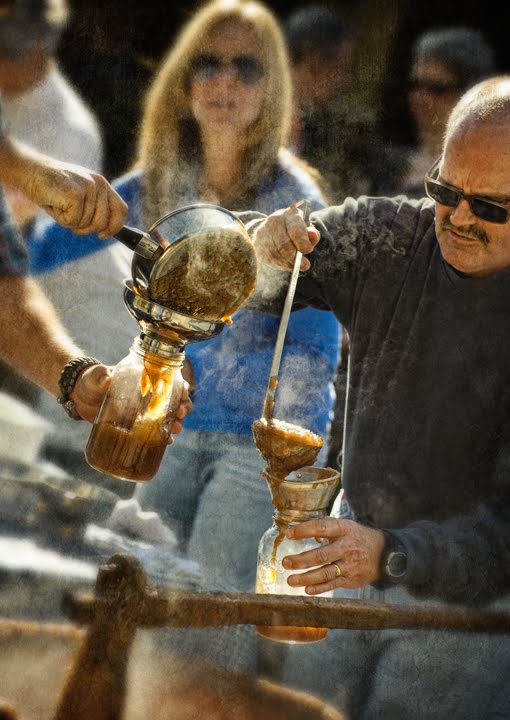
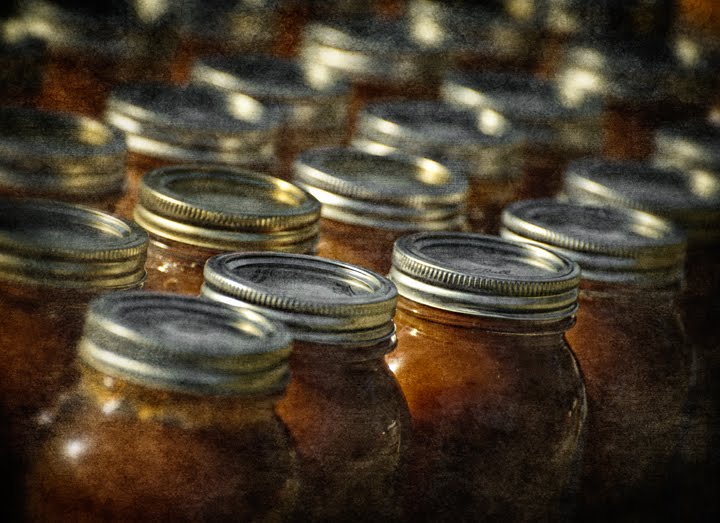
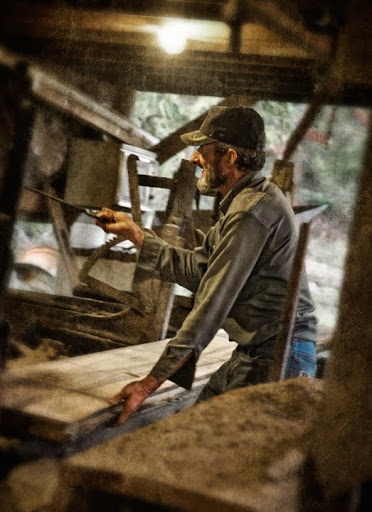
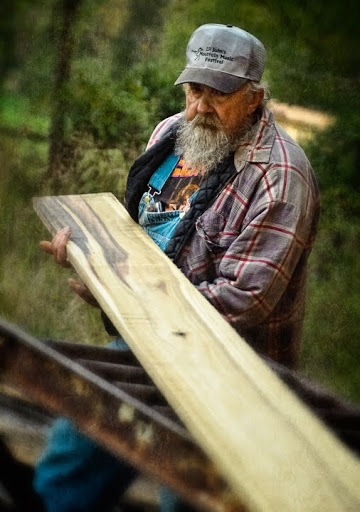
Saturday morning I went over to Gary McMasters’ farm in Grays Chapel, North Carolina to watch something my Dad used to talk about, but something I had never actually seen done. Along with neighbors Buddy McNeil, Adrian Staley, Brandon Bryson and Charlie Latham, Gary and his family were in the middle of making sorghum molasses. Gary grows the cane on his own land, then he, Buddy and Adrian cut it, strip it of its leaves, and then press the juice out of it with an antique mill powered by Gary’s mule Sam. Once the juice is collected, it’s cooked down into a syrup. On Saturday, the process started at 6 AM in the morning. Sam walked round and round till about nine and Gary collected one hundred or so gallons of juice. He then started a wood fire under a large stainless steel cooker and began to cook the liquid down. This cooking process is pretty much an all day job. Gary keeps everything at a steady boil and continuously stirs and skims pulp that floats to the surface. On Saturday it took until six in the afternoon to reduce the cane juice to a thick consistency where it could be strained and poured into jars. One hundred gallons of cane juice produced about ten gallons of finished molasses.

Gary sells the jars of molasses, but he doesn’t really do it for the money. It’s too hard a job and the returns are certainly not worth the amount of labor that goes into it. Rather, he does it because he enjoys doing things the old way. He can work his mule and get together with his family and neighbors and share and pass on skills that probably won’t survive many more years. Saturday I was a witness to a bygone era. Gary tells his daughter Elizabeth, “If you want to know how they used to do things, you better watch me now, cause when I’m gone you may not see it done again.” I feel fortunate to live nearby and to have the opportunity to see and record his labor.


(All photographs copyright 2010 by Dan Routh)