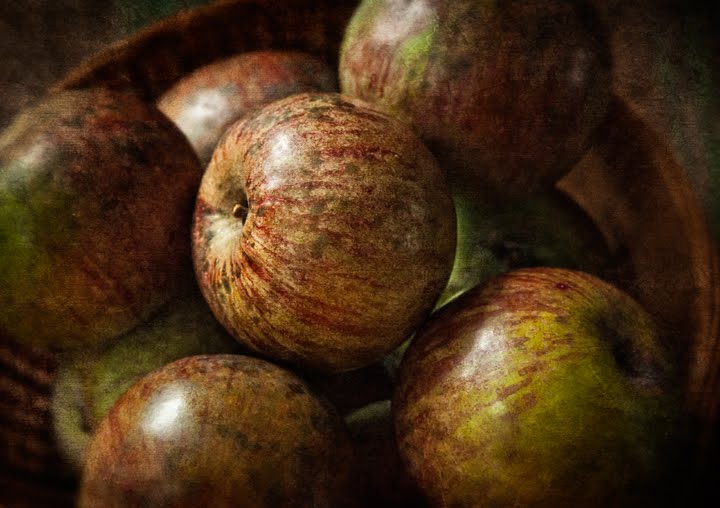
It’s late summer and we start picking up fruit that falls from our trees, and it ends up lining our picnic table in the back yard. In addition to providing us with food, some of them provide sustenance for the wasps and hornets that share our farm.
Author: danrouth
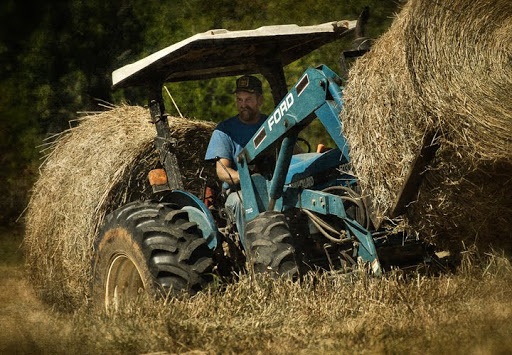
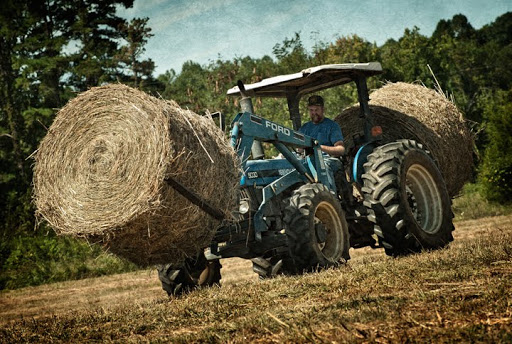
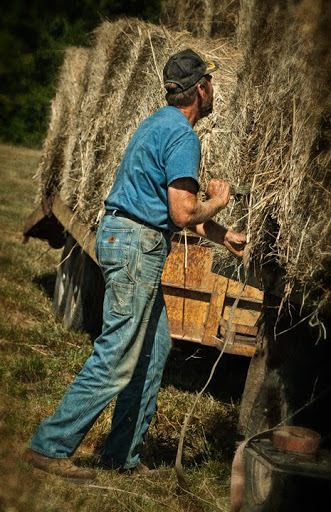
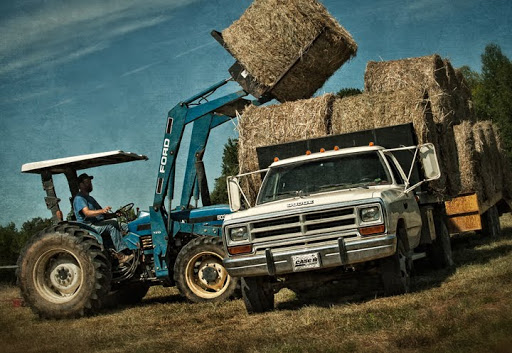
Moving Hay
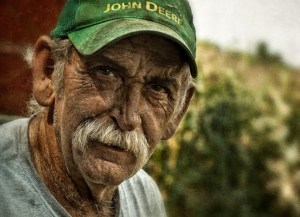
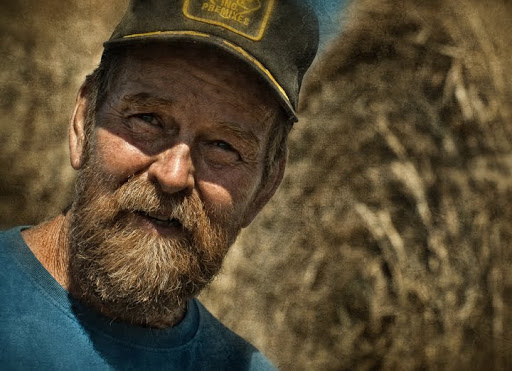
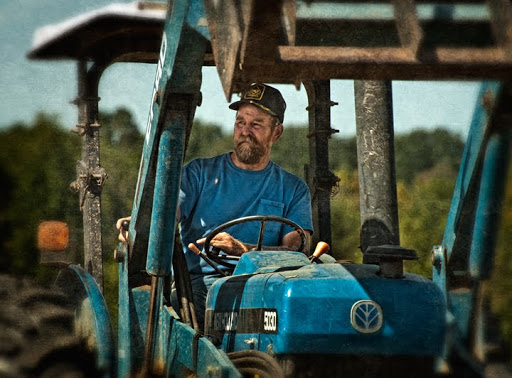
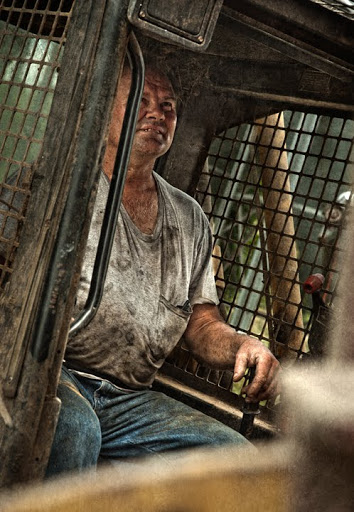
Monday Portrait
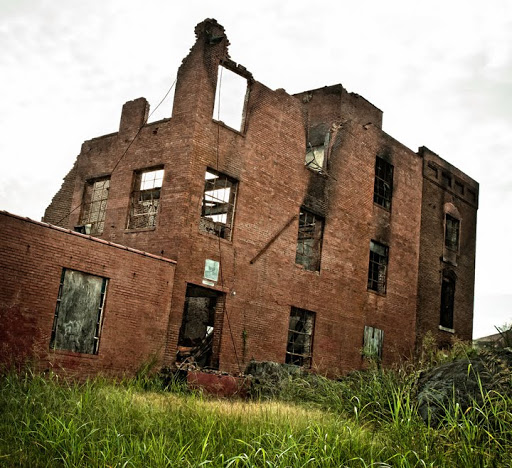
Fire in Franklinville

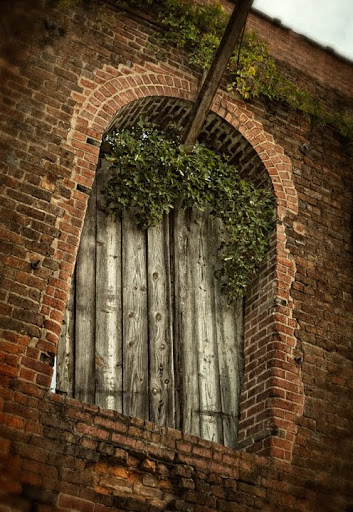
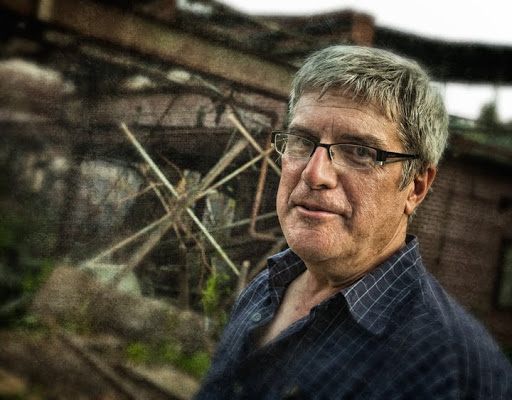
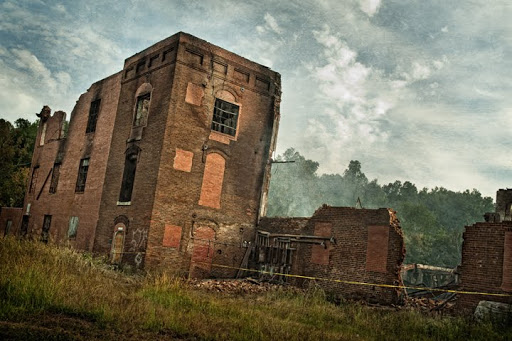
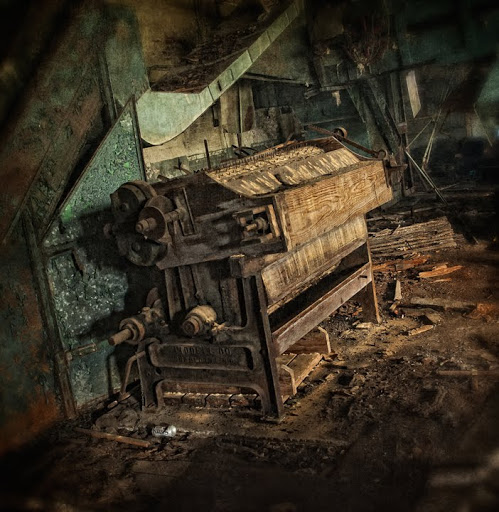
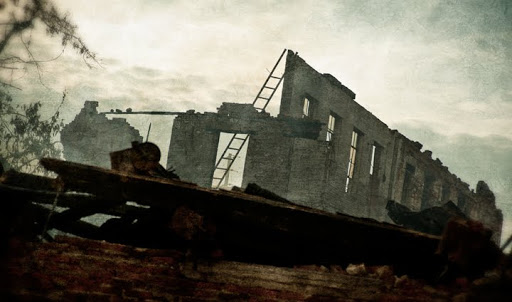
I visited another mill yesterday in Randolph County, but this time the circumstances were more unfortunate than usual. The Franklinsville Manufacturing Company, also known as the Franklinville Mill built in 1838 and the oldest water powered cotton mill left in North Carolina was heavily damaged by a fire, probably caused by arson. I met Mac Whatley of the Randolph Heritage Conservancy who owns the mill and had hoped to preserve and restore the most historic parts into a museum. Mac showed me around and the damage was pretty extensive. A very old 3 story part of the structure was destroyed. Fortunately, a portion of the mill housing a large number of historic textile artifacts was saved and they are being moved to safer storage. Old buildings like this probably don’t seem important to most people, but the cotton textile industry was at one time the backbone of the local Randolph County economy and Deep River was lined with similar facilities. The most historic of those mills deserve to be preserved and the loss of this one in Franklinville is particularly painful. For more information on the history of the mill, go to http://www.cottonmillmuseum.org.
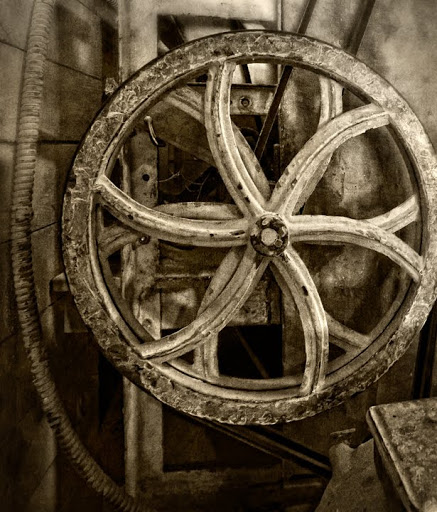
Mill Machinery

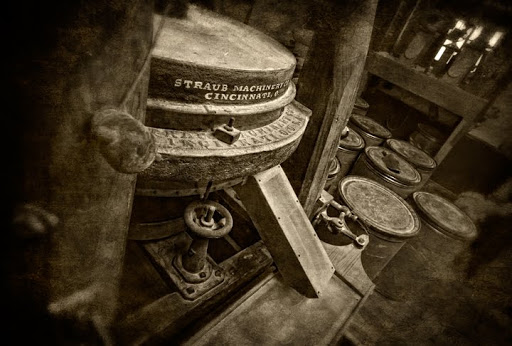
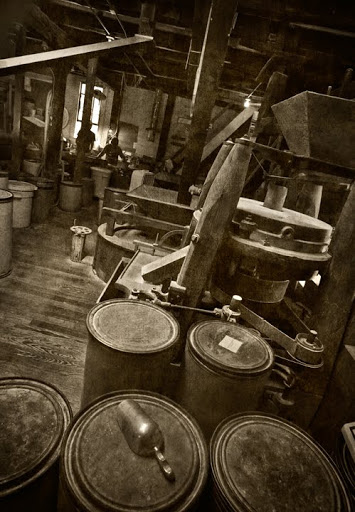
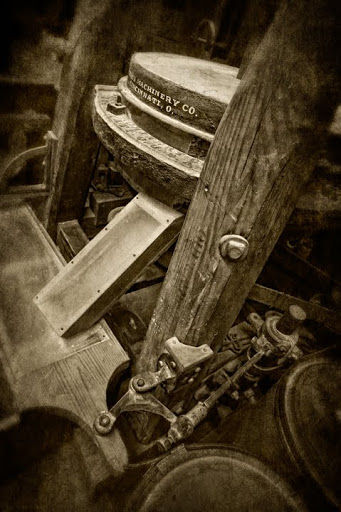
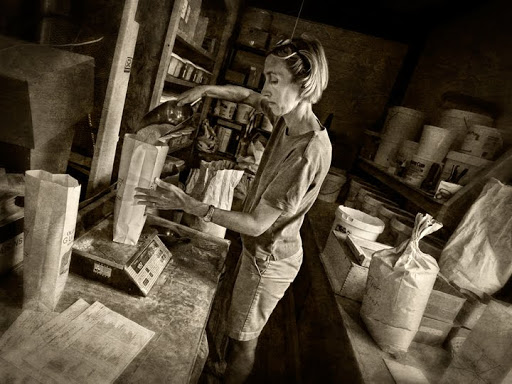
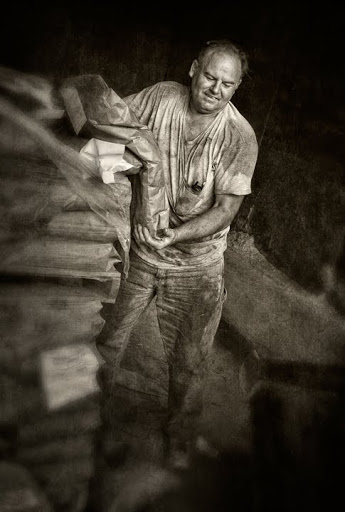
I made a trip out to the Old Mill of Guilford yesterday to pick up some stone ground grits for my son in New Hampshire. He’s in school at Dartmouth, and evidently grits are hard to come by in Hanover. I pick some up for him every couple of months. I enjoy going by the mill and looking at the old milling machinery. I come from a family that had about four generations of millers, so there must be some flour in my genes. And, you can fit 14 pounds of grits nicely in a USPS Flat Rate Box.
Mixing Feed

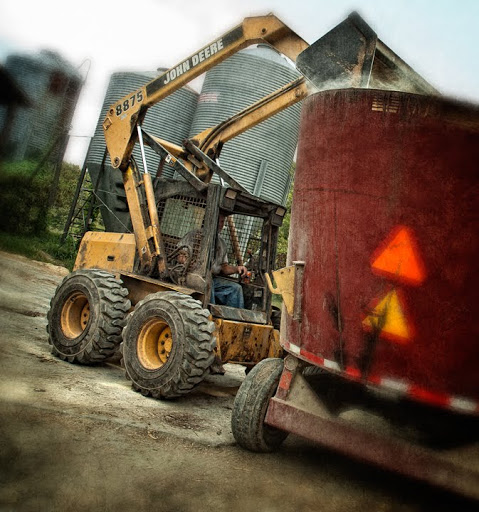
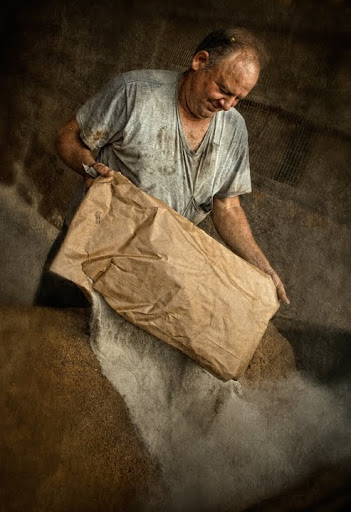
Saturday afternoon is no day off on a dairy farm. While son Michael was cutting silage this past weekend, brothers Rick and Greg Williams of Williams Dairy in Grays Chapel, North Carolina were busy packing down their large trench silo and mixing feed for their herd of Holstein cows. Rick mixes corn silage with alfalfa, cotton seed meal and minerals to produce a feed with the protein needed to produce milk.
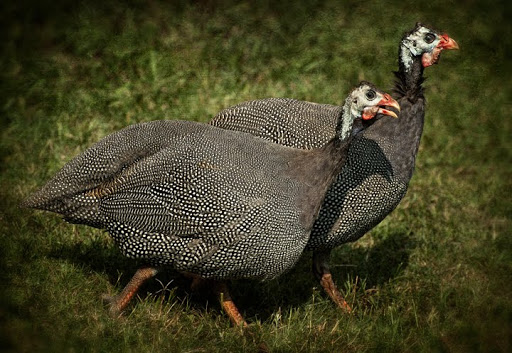
Guinea Fowl
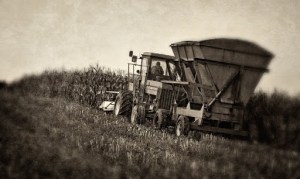
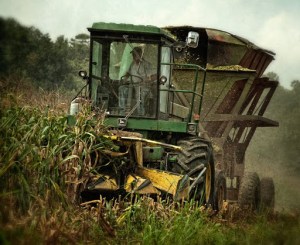
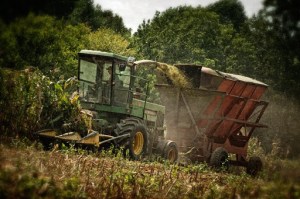
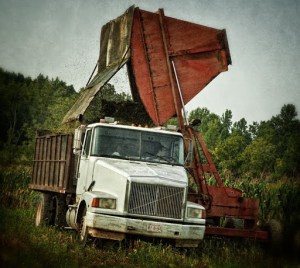
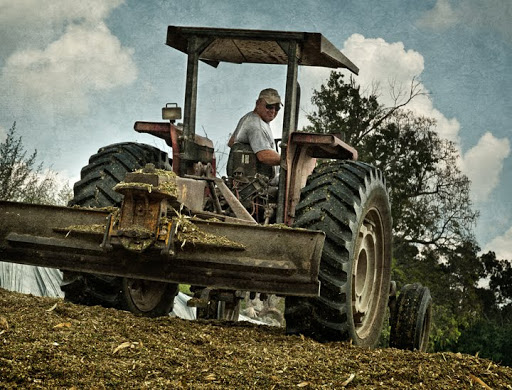
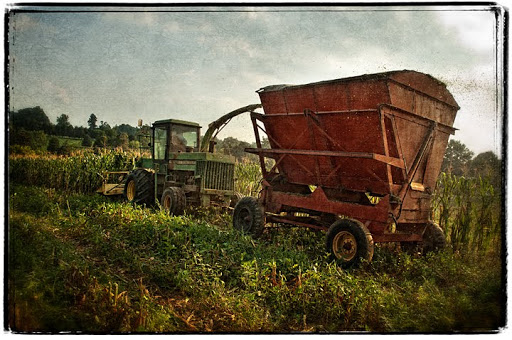
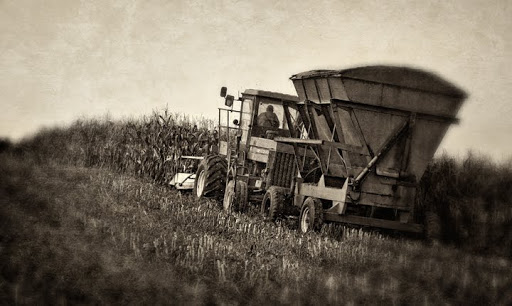
Cutting Silage

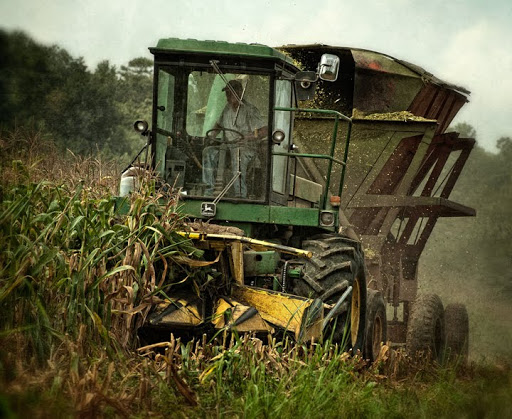
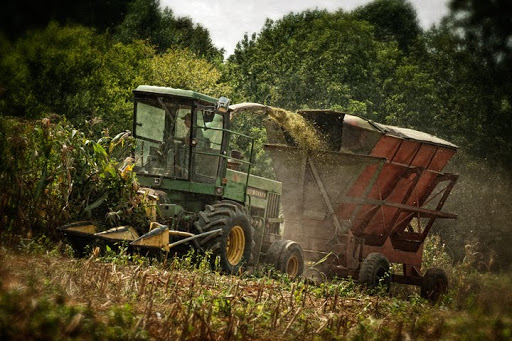
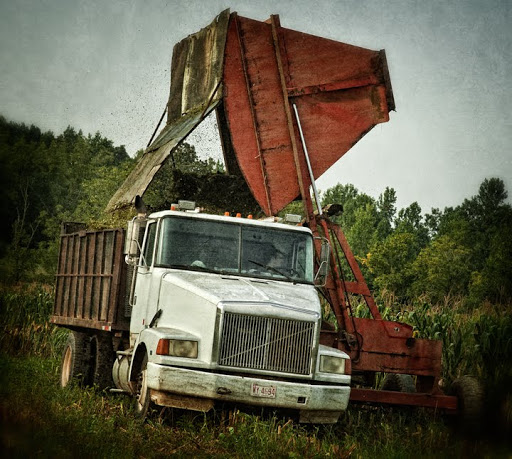
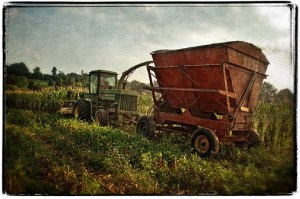
The image above is rather poignant to me, which I guess seems rather odd, because its a shot of farm equipment in a field. The photo is of cutting silage corn, and I truly love to cut silage. I grew up on a dairy farm and every year in late August we cut silage. We did it with another dairy family, the Williams, with whom we shared a cutter and all the labor. Two families, fathers and grandfathers, sons and brothers would all get together and work together to harvest the corn on both of our farms. Things have changed a lot over the years. The Williams brothers (who still dairy farm) cut more silage in two hours on Saturday than we did in a week, but the feeling of that combined labor is still there. This year the brothers had a major breakdown on their equipment, so Frank White from Liberty brought his cutting equipment in to finish the harvest.
I talk about the image being poignant. The time I spent in the corn fields with my family and neighbors was probably some of the happiest moments in my life. It was very hard work, but something about being part of this community effort made it something special. Hard work doesn’t seem so hard when you have a close-knit group doing it together.