Beekeeper


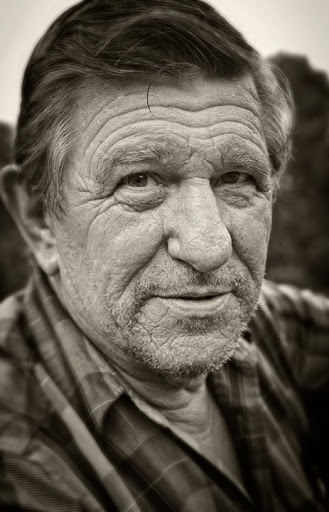
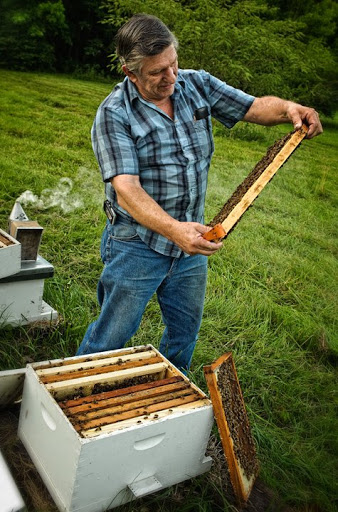
I went with my son Tristan and his wife Christine this weekend to pick up a hive of young bees to place near our garden. We got the bees from master beekeeper Wally Swaim (seen below) of Level Cross, just south of Greensboro. Wally keeps hives, sells bee equipment and gathers wild bee swarms from trees and buildings. If you have a bee problem, he is the man to call. Bees in our area have suffered lately, and it’s not exactly clear as to why. It may be disease or parasites or even a genetic problem, but the bee population has dropped, which is not good for the pollination of fruits and vegetables. Tristan is hoping he can help, and maybe take a little honey as well.


Wally checks the health of a hive above, sans veil and only with the protection of a little smoke.

(photographs copyright 2009 by Dan Routh)

Easter Eggs

(photograph copyright 2009 by Dan Routh)

The Easter Bunny didn’t visit us yesterday, but the Easter Guinea did. My son Tristan was watching our guinea fowl when one of the hens ducked into a fence row. Tristan found this clutch of fresh eggs hidden in the hedge. The size of a bantum chicken egg, but with a thicker shell, they are very rich and are wonderful to cook with or eat plain.

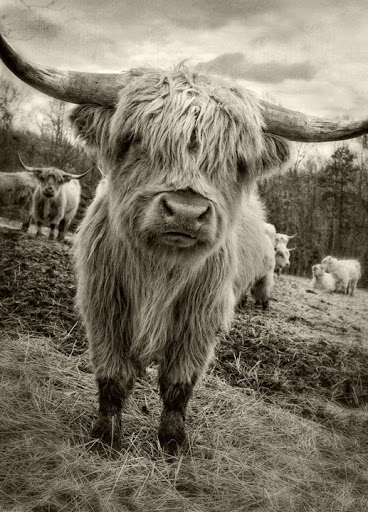
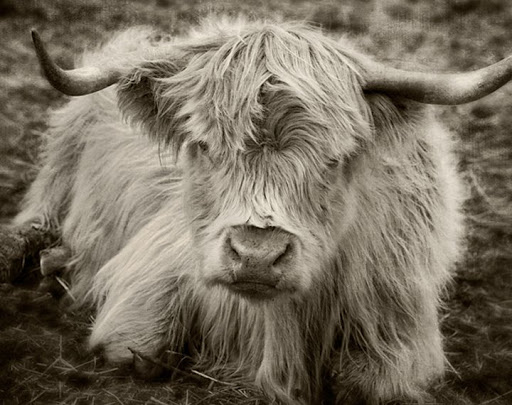
Scottish Highland Cattle, "Beasts"


A herd of highland cattle grazes just outside of Greensboro. Though I believe these particular cows are kept as pets, the Scottish breed is prized for it’s lean meat. The shaggy hair acts as insulation against the cold, a necessity in the cool, damp Highlands of Scotland, so the animals have less fat than standard beef cattle. Smaller in stature than regular beef cows, they have a presence nonetheless.


And yes, both the males and the females have horns.

(photographs copyright by Dan Routh)

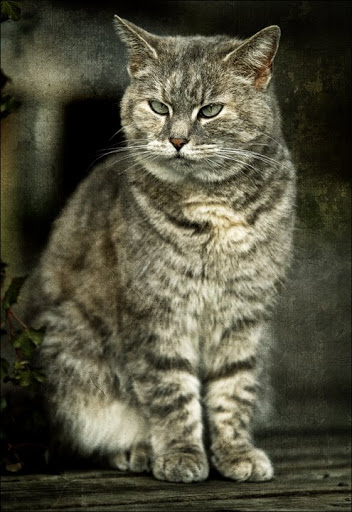
Smokey the Cat

(photograph copyright 2009 by Dan Routh)

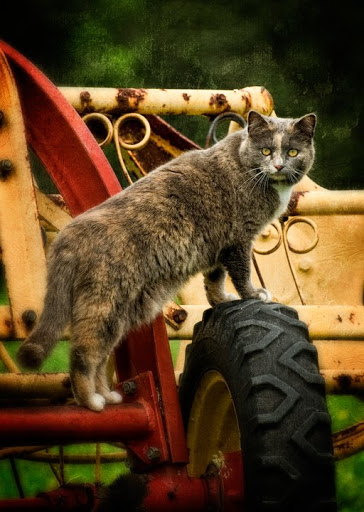
It’s been about a year since we lost our 15 year old cat Smokey. We’ve been lucky throughout the years to have a long line of very special long-lived pets. Smokey was no exception. She was prim and proper and totally regal in her pose. She was also one of the mouthiest cats I have ever known. In cold weather she would sit in front of the doors to the fireplace, stare at me and meow incessantly until I built a fire. Of course, then she would crawl into my lap and warm me for hours. I miss her. We are not alone, however. Currently on our farm we have 2 dogs and 6 cats to go along with a horse, 19 cows, 5 guinea fowl and 10 chickens. Each has their own special personality, but there will only be one Smokey.

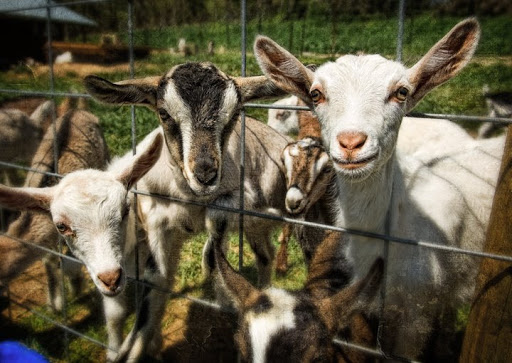
Goat Lady Dairy

(image copyright 2009 by Dan Routh)

Temperatures are starting to rise locally, and hopefully this weekend we will catch our first glimpses of Spring. This time of year brings on revival and new life. The photograph above of young goat kids comes from Goat Lady Dairy in Grays Chapel, about 1/2 mile as the crow flies from my home. Goat Lady produces some of the best goat cheese I have ever tasted. My favorite is their Sandy Creek, an aged goat cheese with veins of grape vine ash running through it. To die for. The folks at the dairy provide their cheeses to many Greensboro area restaurants and they sell to the public at the farmer’s markets in Greensboro and on Sandy Ridge Road. They also host dinners and brunches featuring locally grown and sustainable foods. For more information, go to http://www.goatladydairy.com/

Thanksgiving is Coming Up

(image copyright 2008 by Dan Routh)

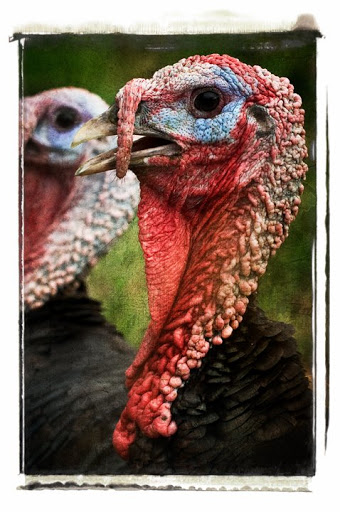
Thanksgiving is coming up this week and I will finally get a couple of days at home with the family and farm. I need to catch up on a lot of things, sleep, firewood and the like. In honor of the holiday I posted the shot above. My neighbors at Goat Lady Dairy raise a few free range heritage-variety turkeys each year. Not so sure they (the turkeys) are looking forward to Thursday, though. Of course, they don’t have much to worry at my house now, because we’re pretty much vegetarian except for dairy, eggs and the occasional fish. And this from a farm with a pasture full of cattle.

Williams Dairy

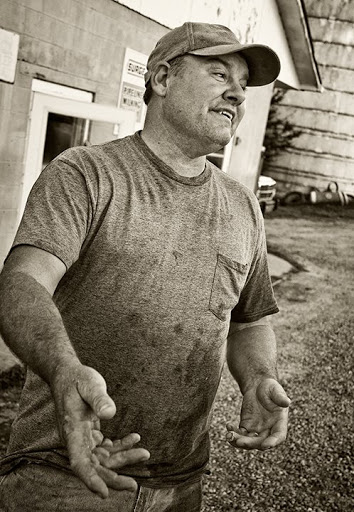
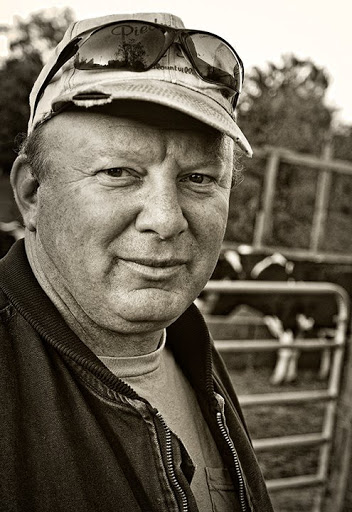
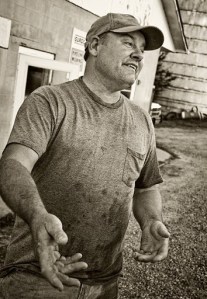
Rick Williams

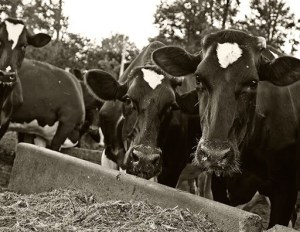
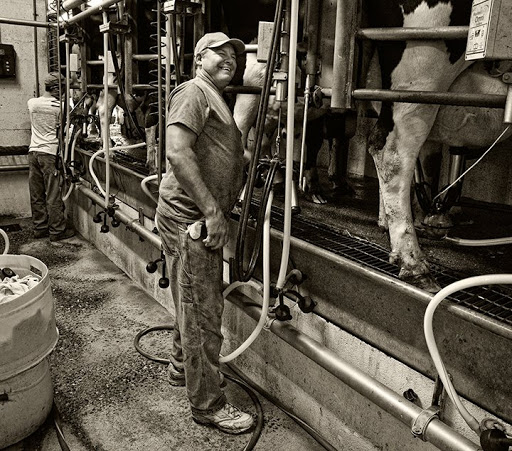
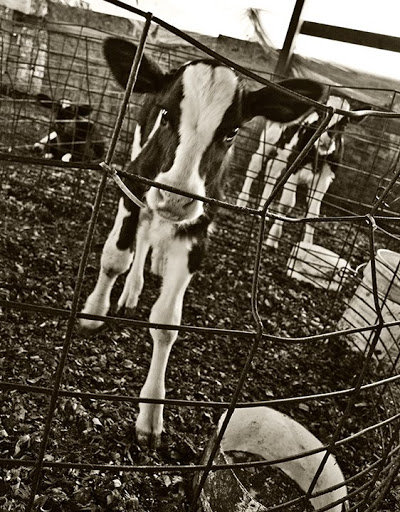
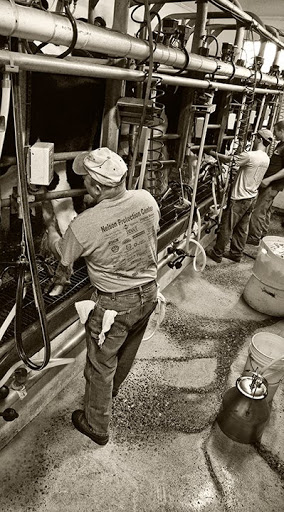
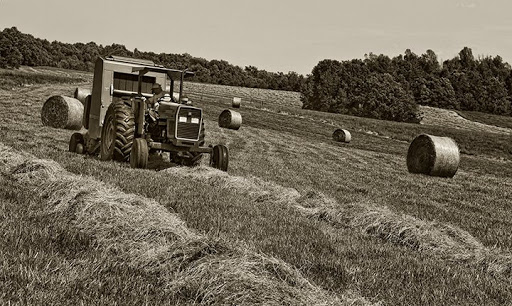
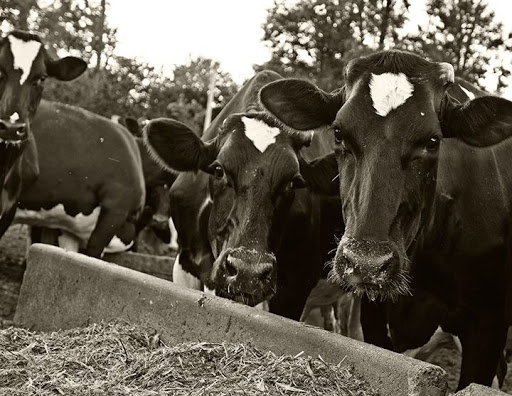
About a mile from my home in North Carolina just south of Greensboro, Rick and Greg Williams operate Williams Dairy, a fourth generation family owned dairy farm. With their mother Jeanette, Rick’s wife Barbara and son Michael, and one outside employee, the Williams brothers farm over 500 acres and milk a herd of about 250 Holstein dairy cows (125 that they milk with another 125 that they are raising). They grow all their feed (which is a considerable amount, seeing that some of their cows give close to 100 pounds of milk per day), raise calves and milk twice a day, seven days a week, 365 days per year.
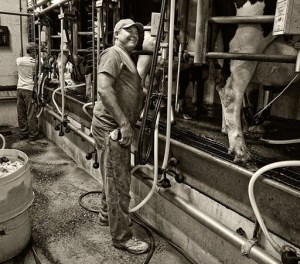
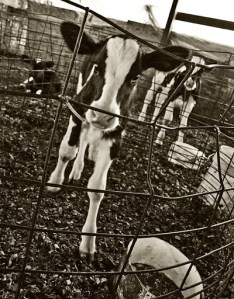
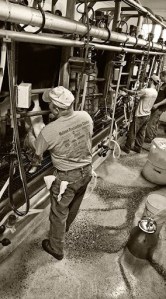
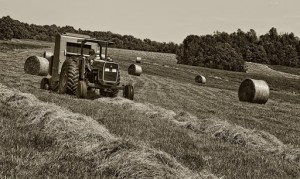

The Williams’ operation is rare now. At one time rural Randolph County, North Carolina was filled with family farms, but as the face of agriculture has changed and with the increase in development in the area, and the escalation of land values, working farms have gradually disappeared. Their lifestyle is like the one I grew up a part of, and I hate to see it go away. In fact, my father and their father shared equipment and labor for many years when my own family milked cows. Their grandmother was one of the best cooks in the neighborhood and she cooked huge amounts of good food daily for the farmhands. It’s a hard way to make a living, but it’s a way of life that is important and valuable, and for the Williams, it provides genuine satisfaction and independence. For that reason, I’ve decided to create an ongoing project for myself; that is, to document local family farms and businesses before they totally go away.
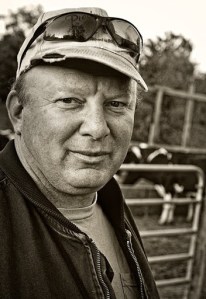
Greg Williams


Because of the cost involved with maintaining such a large operation and keeping the land in their family, the Williams brothers placed some of their land in the Piedmont Land Conservancy. The PLC seeks to preserve rural farmland through the use of non-development easements. Basically they buy development rights to land (which gives family farmers some value for their land), leaving the owners with the ability to continue to farm their land without having to worry about development pushing them out, and preserving large tracts of rural land for posterity. The Williams farm is in the PLC’s Liberty-Randleman Farmland Protection Corridor. My own family is hoping to do the same with our land. For more info, go to http://www.piedmontland.org/.

(images copyright 2008 by Dan Routh)