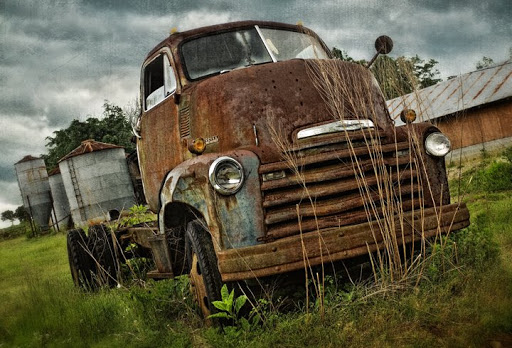
Old Chevy Heavy Farm Truck

(photograph copyright 2009 by Dan Routh)

My community, Grays Chapel, was traditionally a farming community until just a few years ago. Development has spread into the area and it has become more and more a bedroom community for Greensboro and the Triad. There is still a lot of rural space left, however, and there are many old farms, and with these old operations, there is a world of old farm equipment and vehicles. Time has produced a patina on many of them and they take on the effect of historical sculpture. This old Chevrolet heavy farm truck sits sleeping in my neighbor’s barnyard.

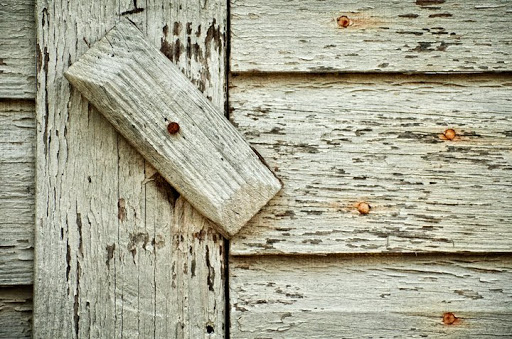
Old Farm Outbuildings


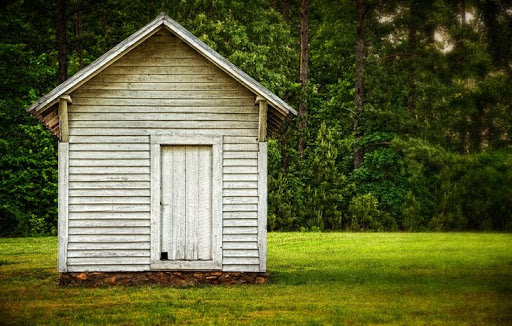
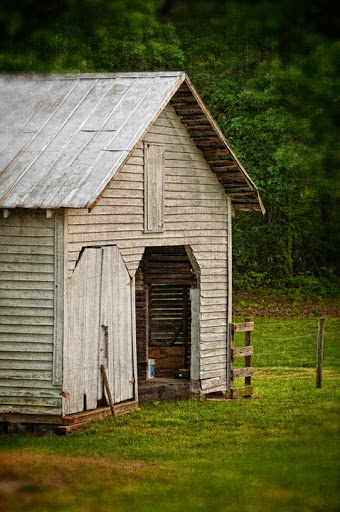
The most interesting things sometimes on old North Carolina farm homeplaces are the many outbuildings. At my Grandfather’s homeplace in Grays Chapel (Randolph County,south of Greensboro) there are several; a smokehouse, a washhouse, a chicken coop, pack house and grainery, besides the regular barn. Each had it’s specific use and each still has it’s own personality.


(photographs copyright 2009 by Dan Routh)

Raising Vegetables


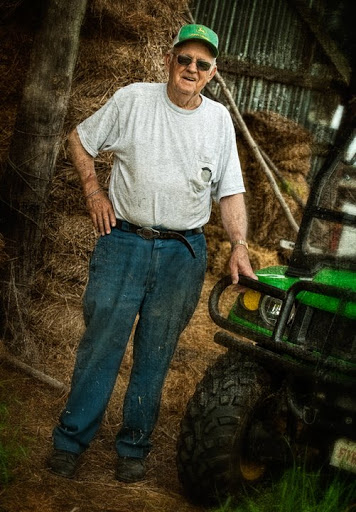
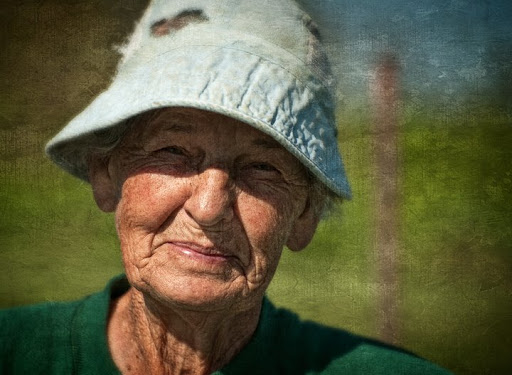
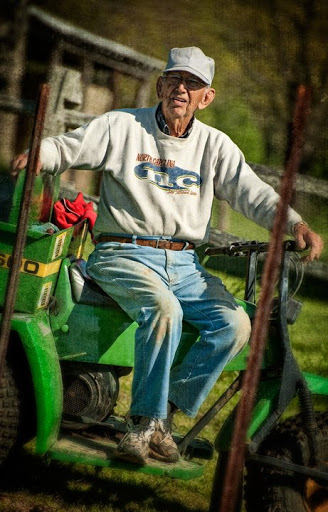
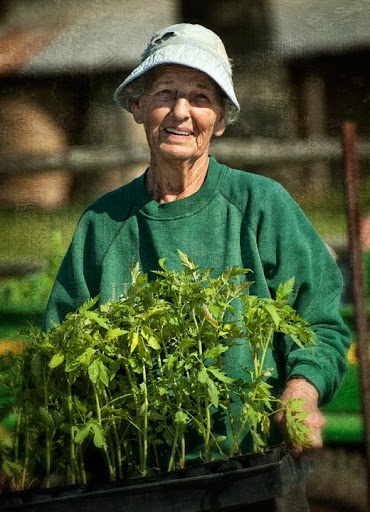
My father’s cousin Thomas Routh and his wife Lula Mae live just down the road from us in Grays Chapel. In their late eighties, Thomas and Lula Mae grow a large vegetable garden each year from which they sell fresh produce at the local farmer’s market in Asheboro. Doing all the work themselves, they grow plants in their greenhouse from seed, prepare their ground, plant their plants, do all the harvesting, and sell the fresh vegetables at the market. I caught them Saturday morning as they were finishing up planting tomatoes. This year, they have about 750 tomato plants. That’s a lot of tomatoes. Of course, they also will have squash, cucumbers, potatoes, lettuce, cabbage, corn, plants and canned goods too. Lula Mae said last year she kept track of the green beans they picked, and the total came to 2300 lbs.


(photographs copyright 2009 by Dan Routh)

Scottish Highland Cattle, "Beasts"


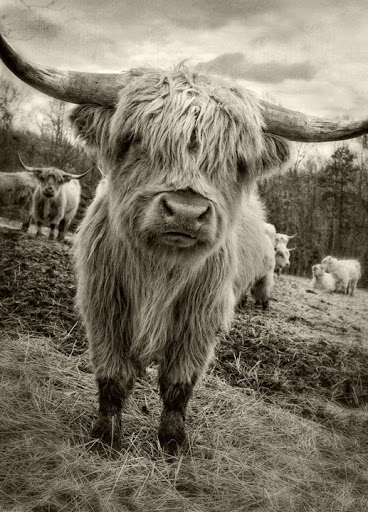
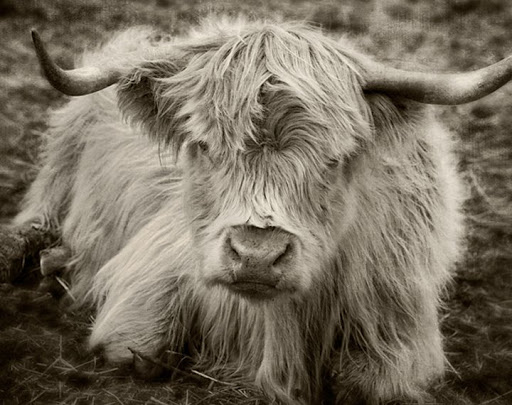
A herd of highland cattle grazes just outside of Greensboro. Though I believe these particular cows are kept as pets, the Scottish breed is prized for it’s lean meat. The shaggy hair acts as insulation against the cold, a necessity in the cool, damp Highlands of Scotland, so the animals have less fat than standard beef cattle. Smaller in stature than regular beef cows, they have a presence nonetheless.


And yes, both the males and the females have horns.

(photographs copyright by Dan Routh)

Father and Son Dairy Men


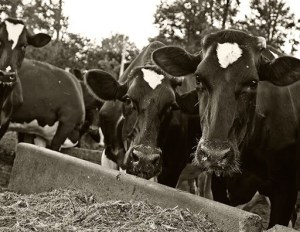
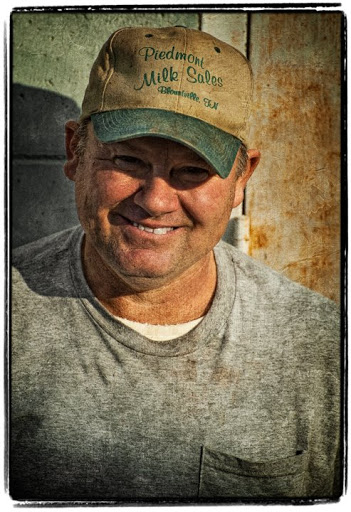
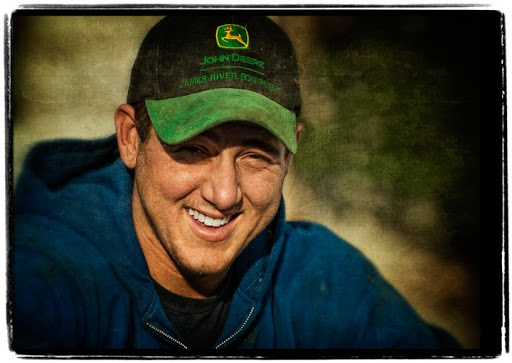
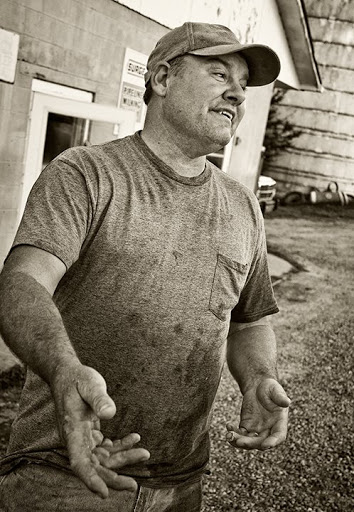
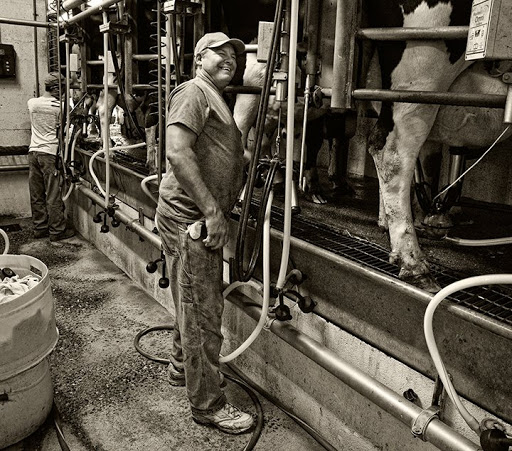
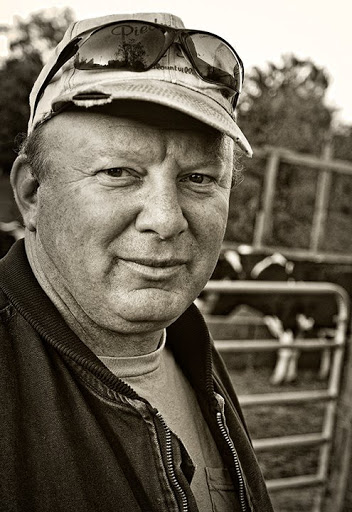
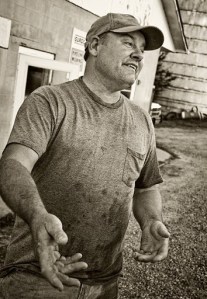
Farmers are always busy, especially dairy farmers. Every day of the year there is something that needs and has to be done. Cows have to be milked, stock fed, equipment serviced and crops brought in. But I have found that they all will take the opportunity to pause and talk to you for a few minutes about farming, the price of milk and cattle, or just the weather. Third and fourth generation dairy farmers Rick and Michael Williams take a short break before milking time on their dairy operation, Williams Dairy, south of Greensboro, North Carolina.

(images copyright 2008 by Dan Routh)

Friday from the Backyard


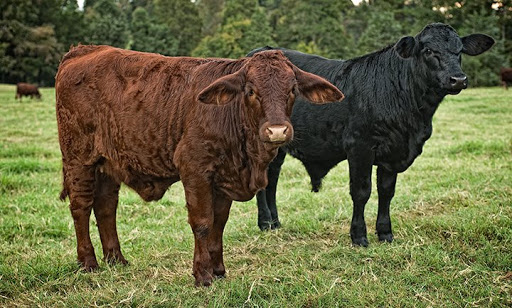
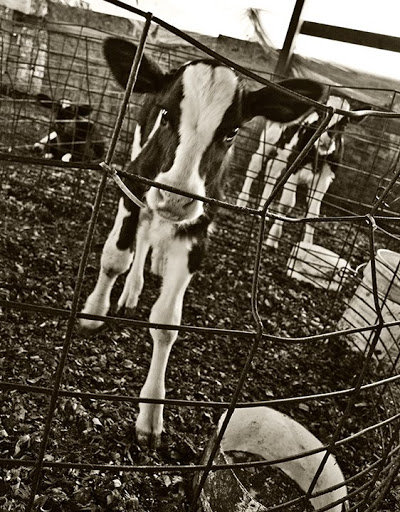
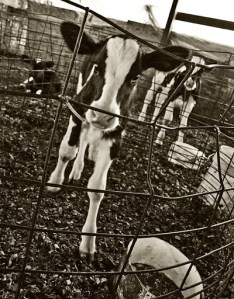
This is the view from my deck in the afternoons; young calves we raised for the feeder market. IE, we raise calves that we sell at about 400-500 pounds to other farmers to finish raising. Basically, our farm is a big cow nursery. Unfortunately, my wife likes to name all the cattle. Makes it harder to see them go.

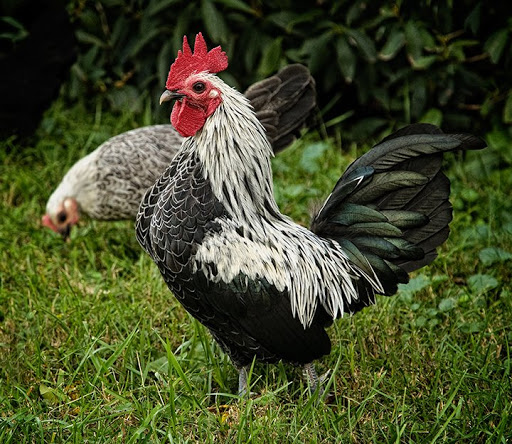
And of course nearby are Marco Polo the rooster and Speckles the hen.

(images copyright 2008 by Dan Routh)

Williams Dairy

Rick Williams

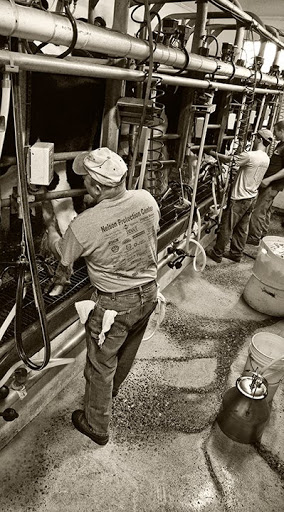
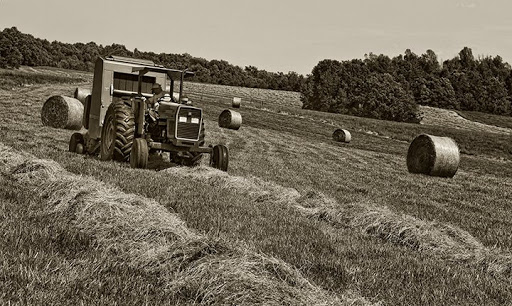
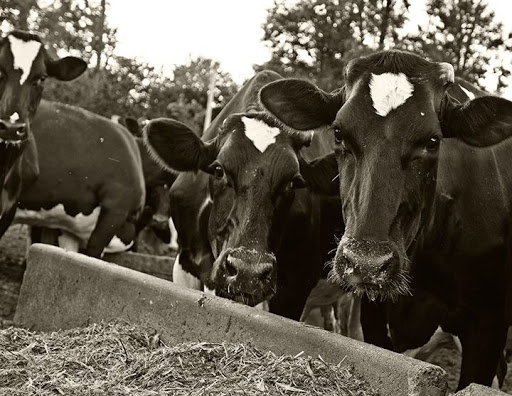
About a mile from my home in North Carolina just south of Greensboro, Rick and Greg Williams operate Williams Dairy, a fourth generation family owned dairy farm. With their mother Jeanette, Rick’s wife Barbara and son Michael, and one outside employee, the Williams brothers farm over 500 acres and milk a herd of about 250 Holstein dairy cows (125 that they milk with another 125 that they are raising). They grow all their feed (which is a considerable amount, seeing that some of their cows give close to 100 pounds of milk per day), raise calves and milk twice a day, seven days a week, 365 days per year.
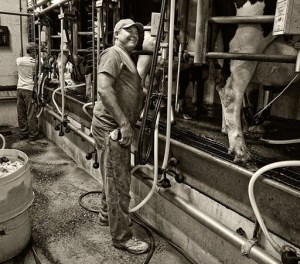
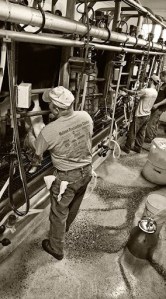
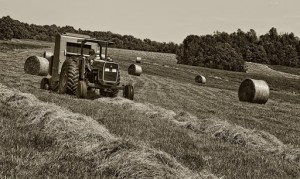

The Williams’ operation is rare now. At one time rural Randolph County, North Carolina was filled with family farms, but as the face of agriculture has changed and with the increase in development in the area, and the escalation of land values, working farms have gradually disappeared. Their lifestyle is like the one I grew up a part of, and I hate to see it go away. In fact, my father and their father shared equipment and labor for many years when my own family milked cows. Their grandmother was one of the best cooks in the neighborhood and she cooked huge amounts of good food daily for the farmhands. It’s a hard way to make a living, but it’s a way of life that is important and valuable, and for the Williams, it provides genuine satisfaction and independence. For that reason, I’ve decided to create an ongoing project for myself; that is, to document local family farms and businesses before they totally go away.
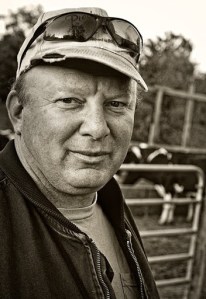
Greg Williams


Because of the cost involved with maintaining such a large operation and keeping the land in their family, the Williams brothers placed some of their land in the Piedmont Land Conservancy. The PLC seeks to preserve rural farmland through the use of non-development easements. Basically they buy development rights to land (which gives family farmers some value for their land), leaving the owners with the ability to continue to farm their land without having to worry about development pushing them out, and preserving large tracts of rural land for posterity. The Williams farm is in the PLC’s Liberty-Randleman Farmland Protection Corridor. My own family is hoping to do the same with our land. For more info, go to http://www.piedmontland.org/.

(images copyright 2008 by Dan Routh)