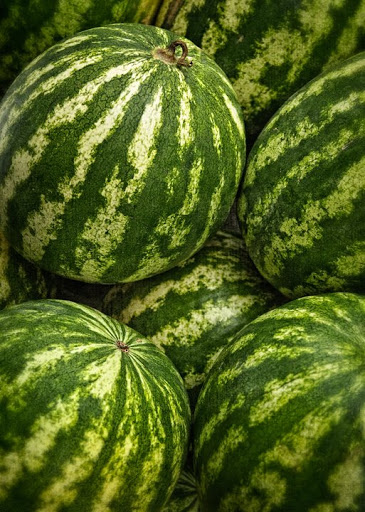
 (photograph copyright 2009 by Dan Routh)
Watermelons are stacked at a roadside produce stand south of Greensboro, North Carolina.
Commercial, Advertising and Editorial Photography. Greensboro, North Carolina
(photograph copyright 2009 by Dan Routh)
Watermelons are stacked at a roadside produce stand south of Greensboro, North Carolina.
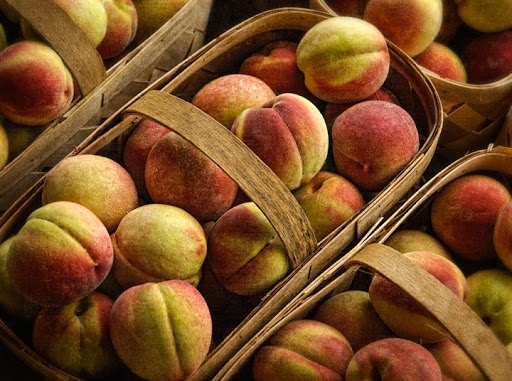
The peaches are beginning to ripen, and they are mighty sweet this year, so it’s time to make a trip to North Carolina’s self-proclaimed peach capital, Candor. Located in North Carolina’s “Sand Hills”, about 60 miles south of Greensboro, Candor is a center for growing peaches, along with melons, apples, grapes, and all sorts of vegetables.
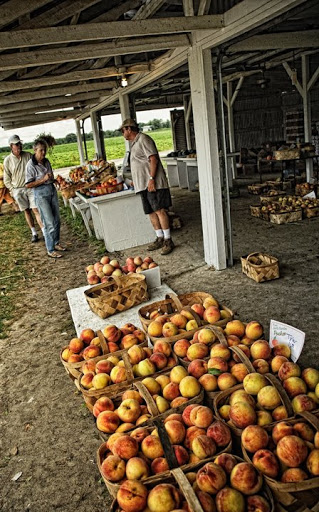
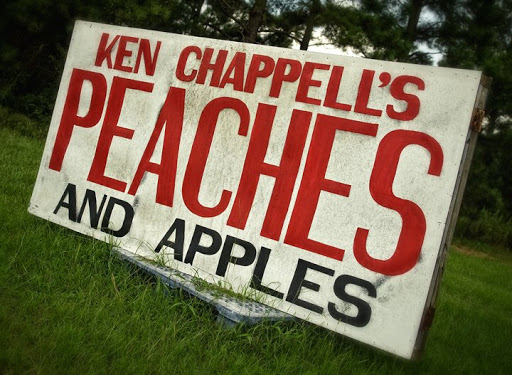
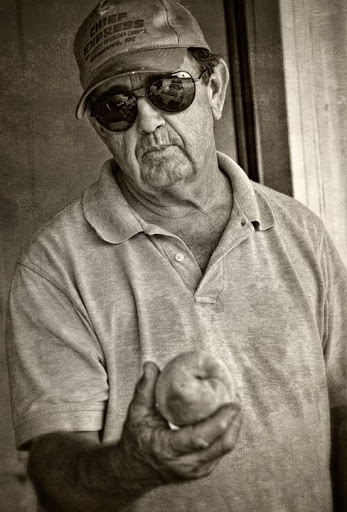
Ken Chappell’s roadside produce stand is one of many along NC Highway 211 between Candor and Pinehurst. Ken sells all sorts of produce he raises in the area near Samarcand.
 (photographs copyright 2009 by Dan Routh)

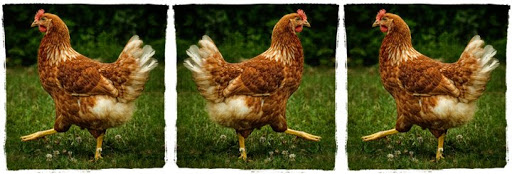
At the risk of this becoming poultry week, my photographs today are from the farm of Mr and Mrs E D Snider of Liberty, North Carolina. Mr and Mrs Snider grow chickens for the home grower and free range producer market. If you want a few good chickens to produce eggs in your backyard, the Snider farm is the place to go, for a half dozen, or for hundreds. Interesting and great people, I always enjoy going by their farm. Mr Snider ran a feed and fertilizer business for years, and his wife works for the US Post Office in Pittsboro. They live on land that was part of her family’s (the McMasters) original 18th century land grant. I love to talk to people in our area who are still able to produce a livelihood from the land.

Below is a “Production Red” hen we bought from the Sniders.
 (photographs copyright 2009 by Dan Routh)

Sweet yellow kernels of goodness. Sweet corn, roasting ears or just “roastnears” are ready in our garden in Grays Chapel, North Carolina now. Whether eaten on the cob, boiled or roasted, cut off for corn pudding, alone or added to soup mix with fresh tomatoes; the wholesomeness of their golden harvest is here.
 (photographs copyright 2009 by Dan Routh)
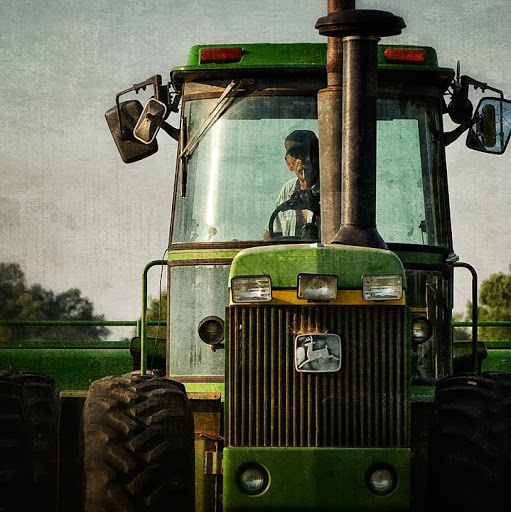
Farmer Frank White of Liberty, North Carolina sod-plants soybeans on a rye field near Lineberry late one afternoon last week. Mr. White raises several hundred acres of beans, corn, and small grains in the Liberty area each year. He uses big equipment, something we don’t get to see often around here these days.
 (photographs copyright 2009 by Dan Routh)
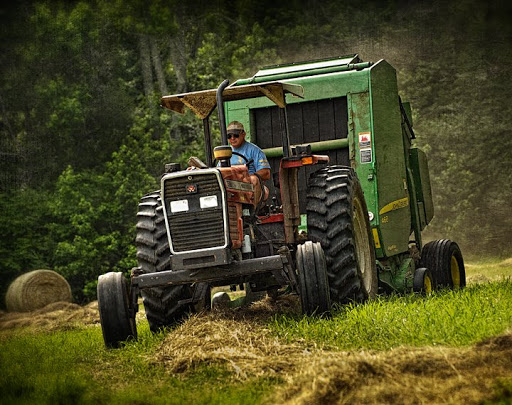
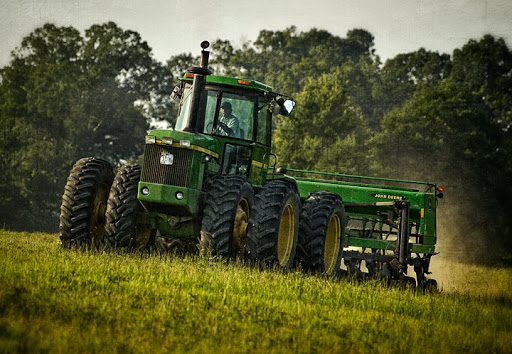
Farming is many times a exercise in compromise. Abundant rain means a lot of grass and a lot of hay. Overabundant rain means a lot of grass and the lack of good weather to harvest hay. Our area has fallen into the later category this year. We have a tremendous amount of hay, but we haven’t had a lot of good weather up until now to make it, and nothing upsets a farmer more than wet hay. Greg Williams of Williams Dairy, south of Greensboro works late in the afternoon to catch up on his baling.
 (photographs copyright 2009 by Dan Routh)

A 1948 Super A Farmall tractor sits at the end of a row of corn in my garden in Randolph County, North Carolina. This is a very special piece of machinery to me. My Grandfather bought it new in 1948 and it has been in use on our farm by him, my Father, me and my sons ever since. As a kid, I literally spent days in the seat plowing (cultivating) corn. This tractor is perfect for that, because the engine is offset and you can look straight down and see the rows of corn pass under you. We don’t raise a lot of corn anymore, but we continue to use the tractor in our garden to cultivate and lay off rows. The old guy just keeps on going.

The inset is a self portrait of the “A” and me.
(photographs copyright 2009 by Dan Routh)

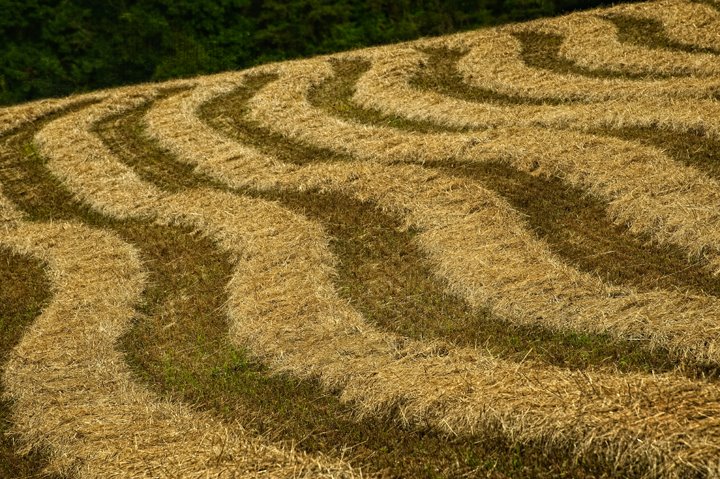
This time of year, when the weather stays dry for several days in a row, it means one thing. It’s time for farmers to make hay, and last week most of my neighbors were during just that. These late afternoon scenes were indicative of our area of Randolph County, south of Greensboro.
 (photographs copyright 2009 by Dan Routh)
 (photograph copyright 2009 by Dan Routh)
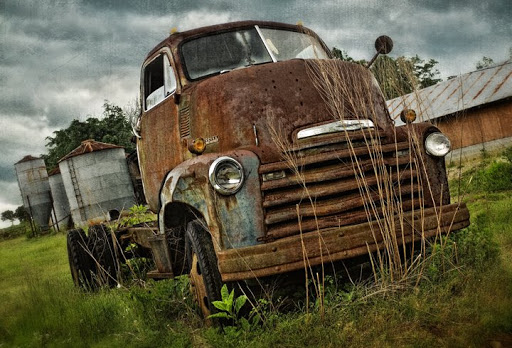
My community, Grays Chapel, was traditionally a farming community until just a few years ago. Development has spread into the area and it has become more and more a bedroom community for Greensboro and the Triad. There is still a lot of rural space left, however, and there are many old farms, and with these old operations, there is a world of old farm equipment and vehicles. Time has produced a patina on many of them and they take on the effect of historical sculpture. This old Chevrolet heavy farm truck sits sleeping in my neighbor’s barnyard.
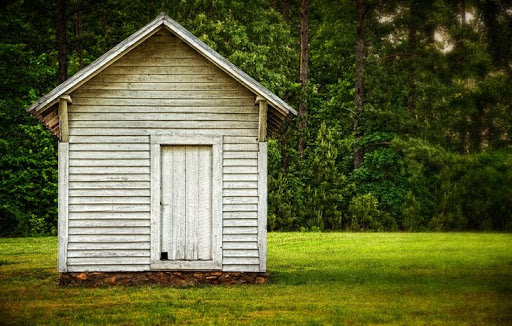
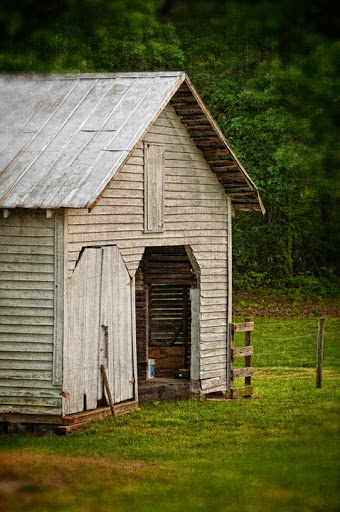
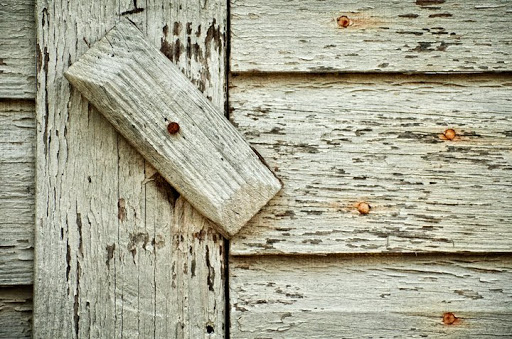
The most interesting things sometimes on old North Carolina farm homeplaces are the many outbuildings. At my Grandfather’s homeplace in Grays Chapel (Randolph County,south of Greensboro) there are several; a smokehouse, a washhouse, a chicken coop, pack house and grainery, besides the regular barn. Each had it’s specific use and each still has it’s own personality.
 (photographs copyright 2009 by Dan Routh)
 Dan Routh Photography