Mixing Feed


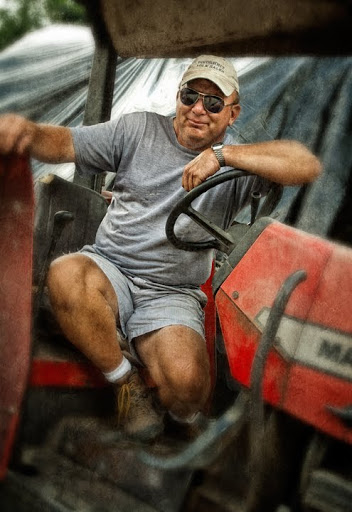
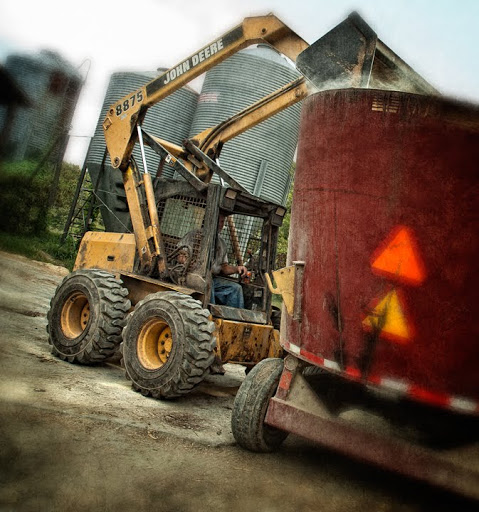
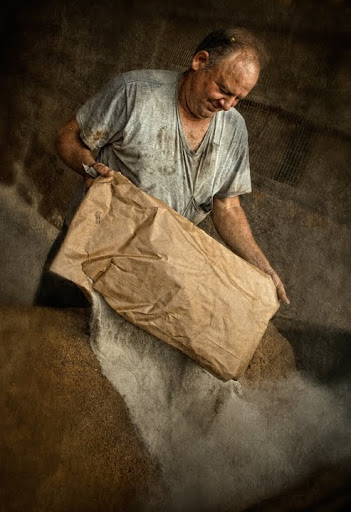
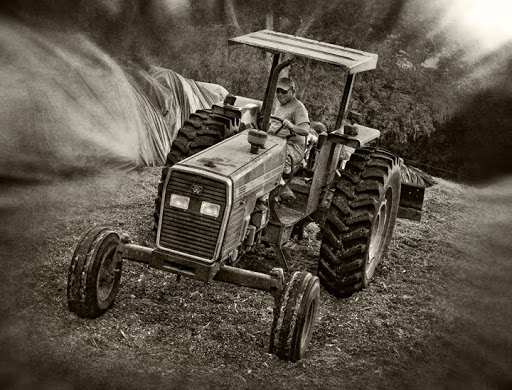
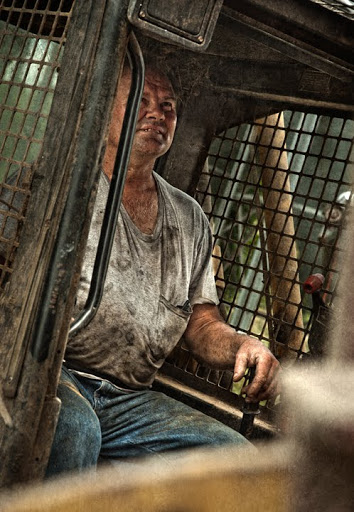
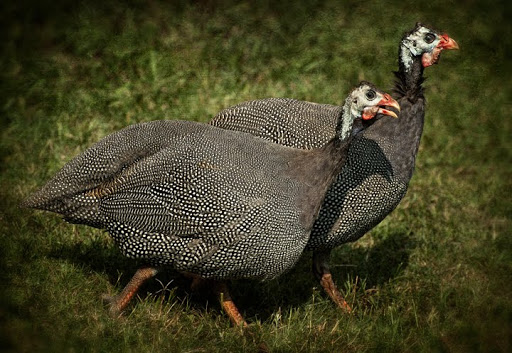
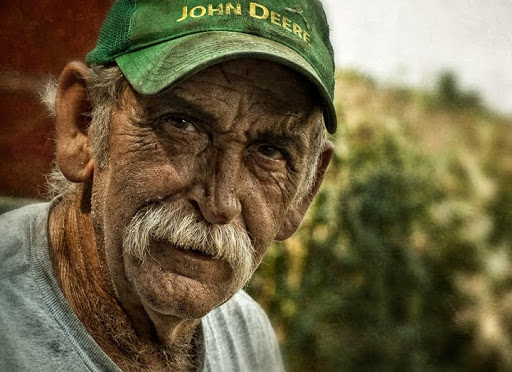
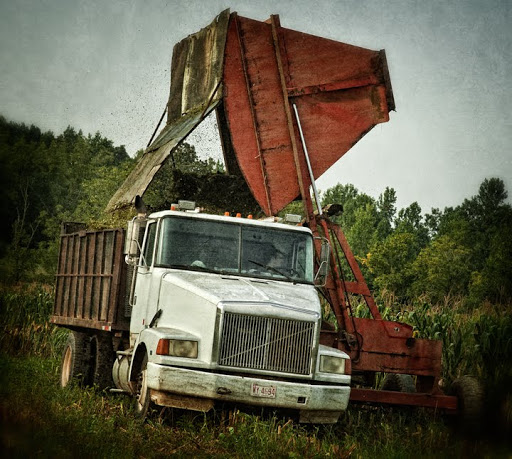
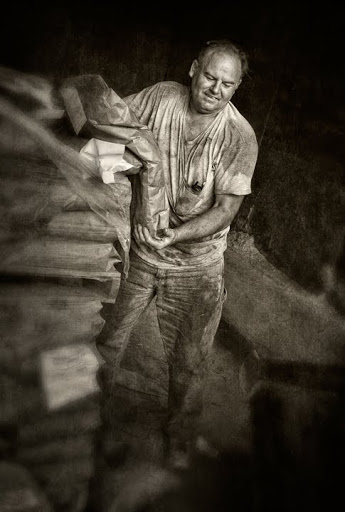
Saturday afternoon is no day off on a dairy farm. While son Michael was cutting silage this past weekend, brothers Rick and Greg Williams of Williams Dairy in Grays Chapel, North Carolina were busy packing down their large trench silo and mixing feed for their herd of Holstein cows. Rick mixes corn silage with alfalfa, cotton seed meal and minerals to produce a feed with the protein needed to produce milk.


(Photographs copyright 2010 by Dan Routh)

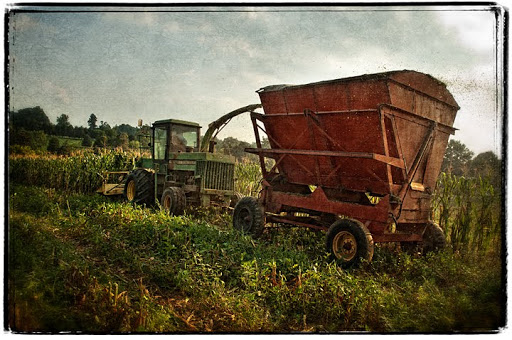
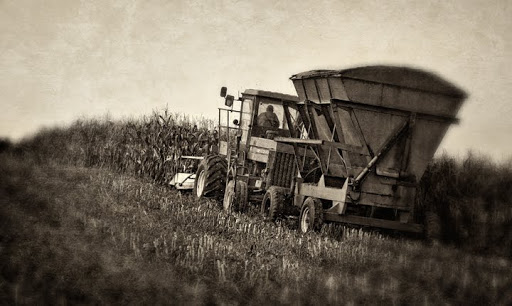
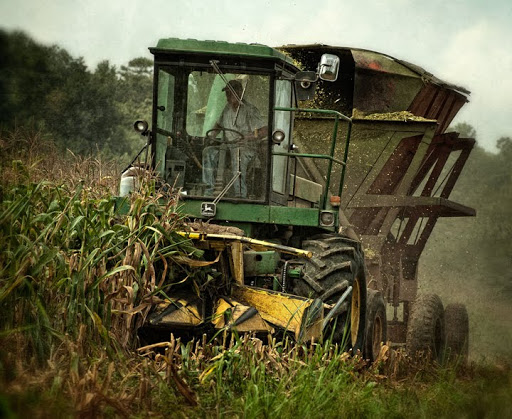
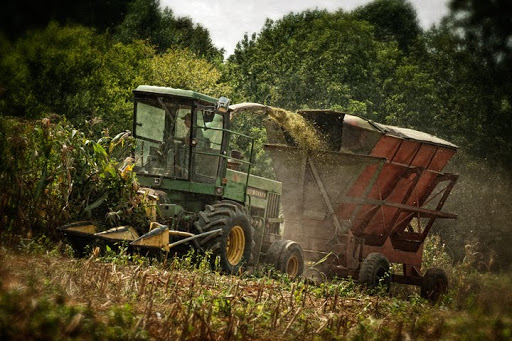
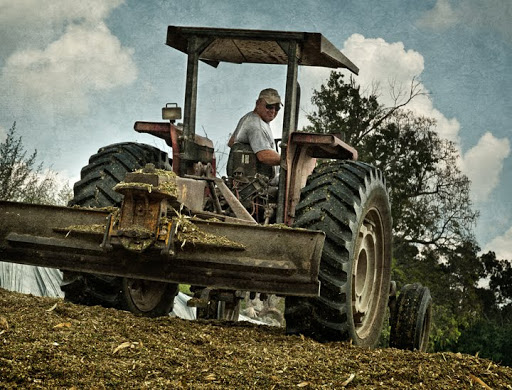
Cutting Silage


The image above is rather poignant to me, which I guess seems rather odd, because its a shot of farm equipment in a field. The photo is of cutting silage corn, and I truly love to cut silage. I grew up on a dairy farm and every year in late August we cut silage. We did it with another dairy family, the Williams, with whom we shared a cutter and all the labor. Two families, fathers and grandfathers, sons and brothers would all get together and work together to harvest the corn on both of our farms. Things have changed a lot over the years. The Williams brothers (who still dairy farm) cut more silage in two hours on Saturday than we did in a week, but the feeling of that combined labor is still there. This year the brothers had a major breakdown on their equipment, so Frank White from Liberty brought his cutting equipment in to finish the harvest.

I talk about the image being poignant. The time I spent in the corn fields with my family and neighbors was probably some of the happiest moments in my life. It was very hard work, but something about being part of this community effort made it something special. Hard work doesn’t seem so hard when you have a close-knit group doing it together.


(Photographs copyright 2010 by Dan Routh)

Sorghum Molasses


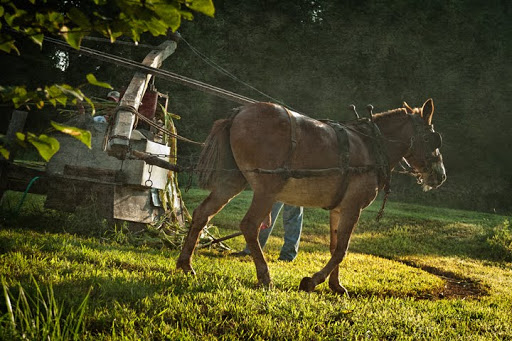
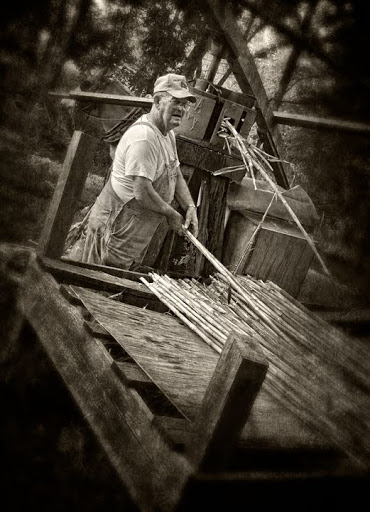
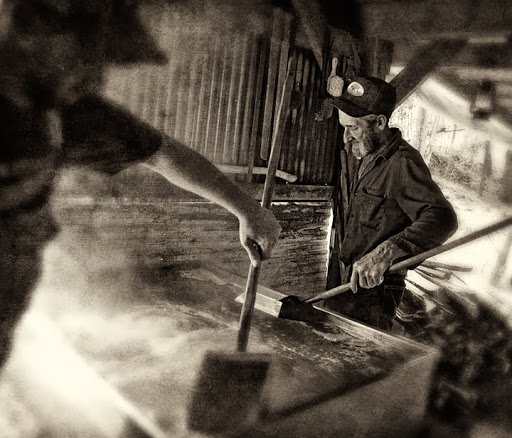
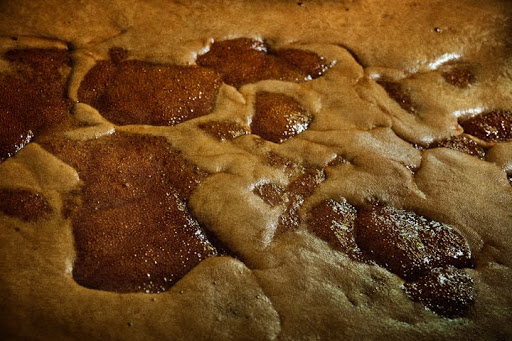
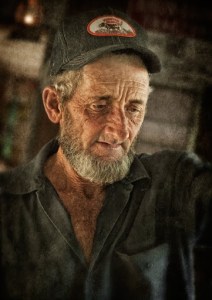
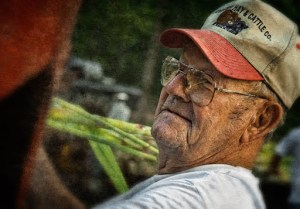
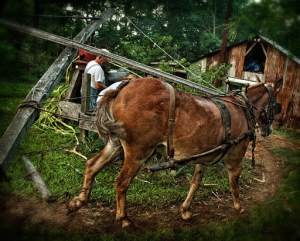
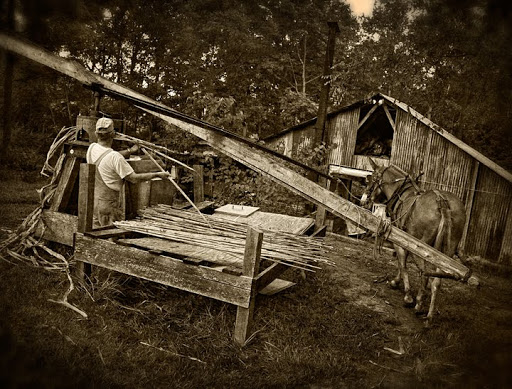
Saturday morning I went over to Gary McMasters’ farm in Grays Chapel, North Carolina to watch something my Dad used to talk about, but something I had never actually seen done. Along with neighbors Buddy McNeil, Adrian Staley, Brandon Bryson and Charlie Latham, Gary and his family were in the middle of making sorghum molasses. Gary grows the cane on his own land, then he, Buddy and Adrian cut it, strip it of its leaves, and then press the juice out of it with an antique mill powered by Gary’s mule Sam. Once the juice is collected, it’s cooked down into a syrup. On Saturday, the process started at 6 AM in the morning. Sam walked round and round till about nine and Gary collected one hundred or so gallons of juice. He then started a wood fire under a large stainless steel cooker and began to cook the liquid down. This cooking process is pretty much an all day job. Gary keeps everything at a steady boil and continuously stirs and skims pulp that floats to the surface. On Saturday it took until six in the afternoon to reduce the cane juice to a thick consistency where it could be strained and poured into jars. One hundred gallons of cane juice produced about ten gallons of finished molasses.

Gary sells the jars of molasses, but he doesn’t really do it for the money. It’s too hard a job and the returns are certainly not worth the amount of labor that goes into it. Rather, he does it because he enjoys doing things the old way. He can work his mule and get together with his family and neighbors and share and pass on skills that probably won’t survive many more years. Saturday I was a witness to a bygone era. Gary tells his daughter Elizabeth, “If you want to know how they used to do things, you better watch me now, cause when I’m gone you may not see it done again.” I feel fortunate to live nearby and to have the opportunity to see and record his labor.





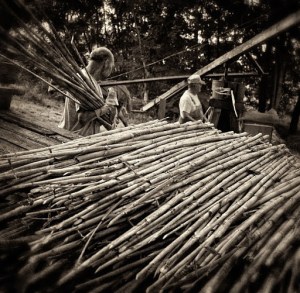


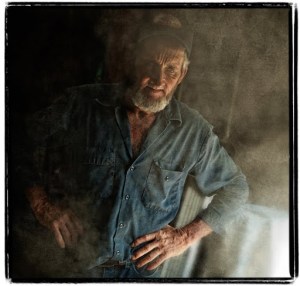

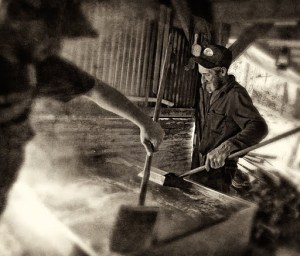


(All photographs copyright 2010 by Dan Routh)
Burley Tobacco Farmer


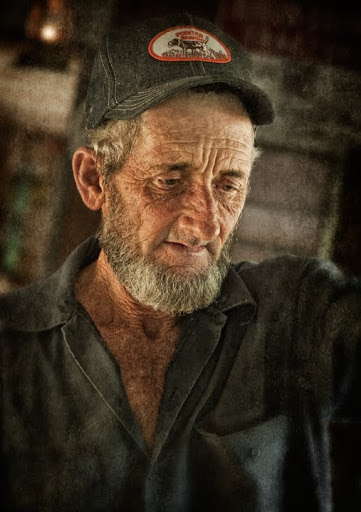
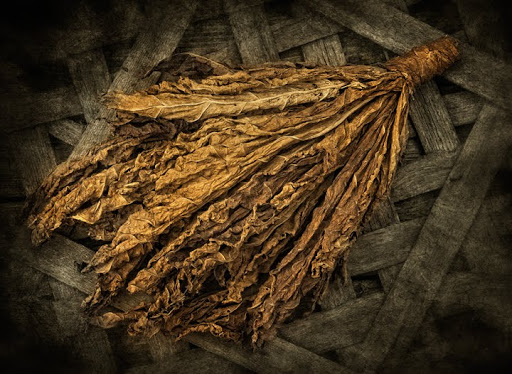
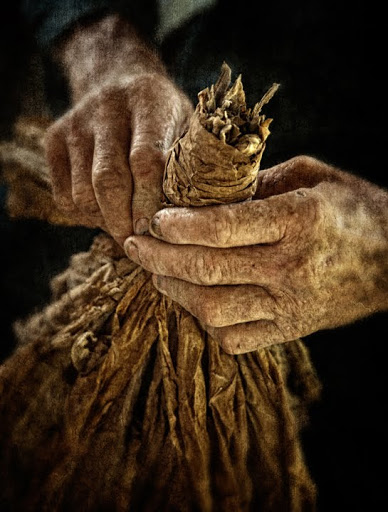
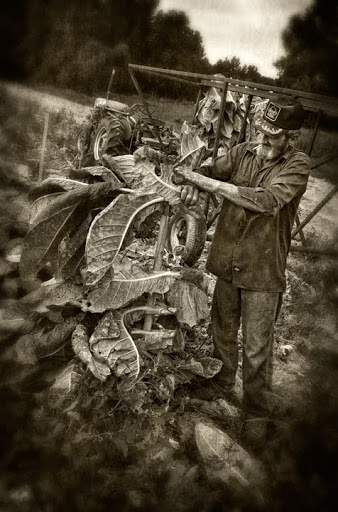
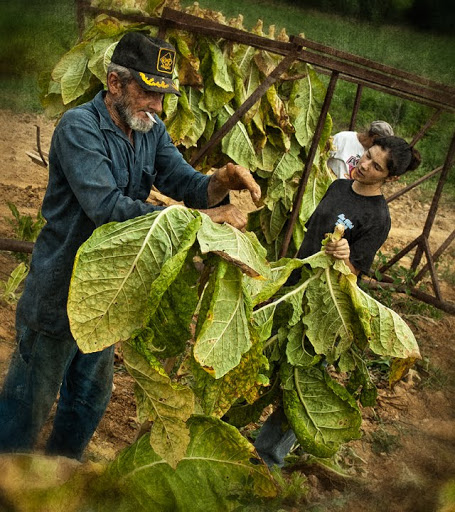
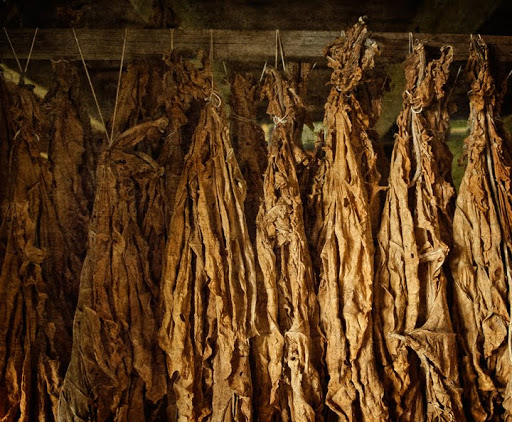
Neighbor Gary McMasters along with daughter Elizabeth and another neighbor Jerry Ferguson gathered and sticked burley tobacco this past weekend in Grays Chapel, North Carolina in preparation to moving it to a drying barn. Unlike flu-cured tobacco where leaves are removed as they ripen up the stalk, burley is harvested by cutting the whole plant, and it is air dried rather than being cured by heat. Gary raises about 1 1/2 acres and does pretty much everything by hand. Traditionally, burley tobacco was grown in the mountains of North Carolina and flue-cured in the Piedmont. New varieties have made it possible to grow burley in warmer areas.

Gary lives on land that has been in his family for several generations in Randolph County and besides farming tobacco and other crops, he runs a small custom saw mill and raises horses and mules. He produces sorghum molasses every year on a mule driven cane mill.


(Photographs copyright 2010 by Dan Routh)
The Egret, a Poem by Devin Routh

(Photograph copyright 2010 by Dan Routh)
The Egret

With stilt-like legs he wanders through the water’s edge
content to watch the fish below him, not to hunt
but listen to the bullfrogs’ croaking in the sedge
first loud then low, for he himself is transient.
He comes and goes with all the seasons and the winds
from sandy creeks where crawdads make their rocky homes
to miry ponds where ivory feathers hardly blend;
despite the mud he stays unsoiled while he roams.
And if a feather falls it’s full of blemishes
in little time; it loses all its pristine shine
as if it never shone before and proves that his
persistent sojourning has kept him in his prime.
To see an egret flap his wings and fly away
is to discover why he never cares to stay.

(Poetry copyright 2010 by Devin Routh. Used with permission.)